9 places · Rome
Catacombs and Underground Sites in Rome
Much of ancient Rome survives below street level: Christian cemeteries dug along the Appian Way and Via Salaria, Roman houses beneath a church on the Caelian Hill, a Mithras shrine near the Circus Maximus and an aqueduct tank near the Trevi Fountain, plus the vast ruined halls of Diocletian's baths. Several of these sites can only be seen with a guide or on a booked visit, so it pays to plan dates in advance. The Appian Way catacombs lie close together and can share a half-day.
Compare at a glance
| Place | Area |
|---|---|
| Catacombs of San Callisto (Catacombe di San Callisto) | Appia Antica & South Rome |
| Catacombs of San Sebastiano (Catacombe di San Sebastiano) | Appia Antica & South Rome |
| Catacombs of Domitilla (Catacombe di Domitilla) | Appia Antica & South Rome |
| Catacombs of Priscilla (Catacombe di Priscilla) | Villa Borghese & Flaminio |
| Baths of Diocletian (Terme di Diocleziano) | Esquilino & Termini |
| Capuchin Crypt (Cripta dei Cappuccini) | Centro Storico |
| Case Romane del Celio | Ancient Rome & Monti |
| Mithraeum of the Circus Maximus (Mitreo del Circo Massimo) | Aventine & Testaccio |
| Vicus Caprarius (City of Water) | Centro Storico |
-
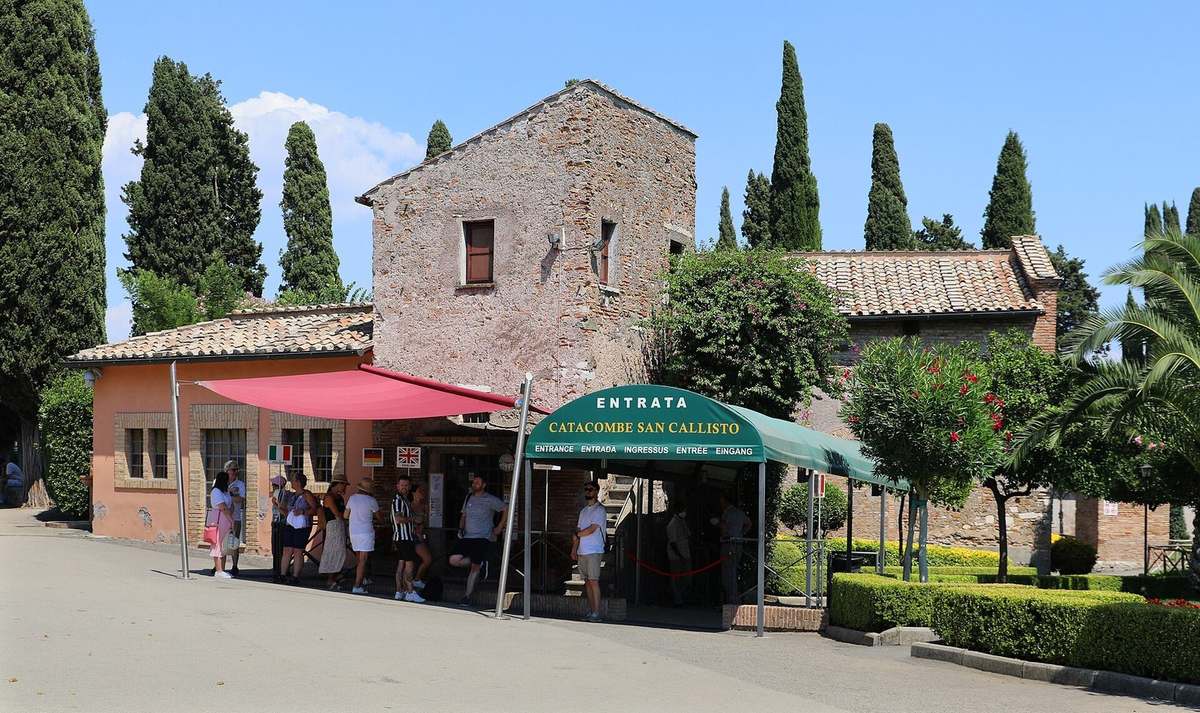
The entrance to the Catacombs of San Callisto on the Appian Way Photo: Sailko, Wikimedia Commons (CC BY 3.0) 1 Catacombs of San Callisto (Catacombe di San Callisto)
Appia Antica & South Rome — Via Appia Antica
In the 3rd century this was the official cemetery of the Church of Rome, named after the deacon Callixtus, whom Pope Zephyrinus put in charge of it. Read the full guide to Catacombs of San Callisto (Catacombe di San Callisto) →
-
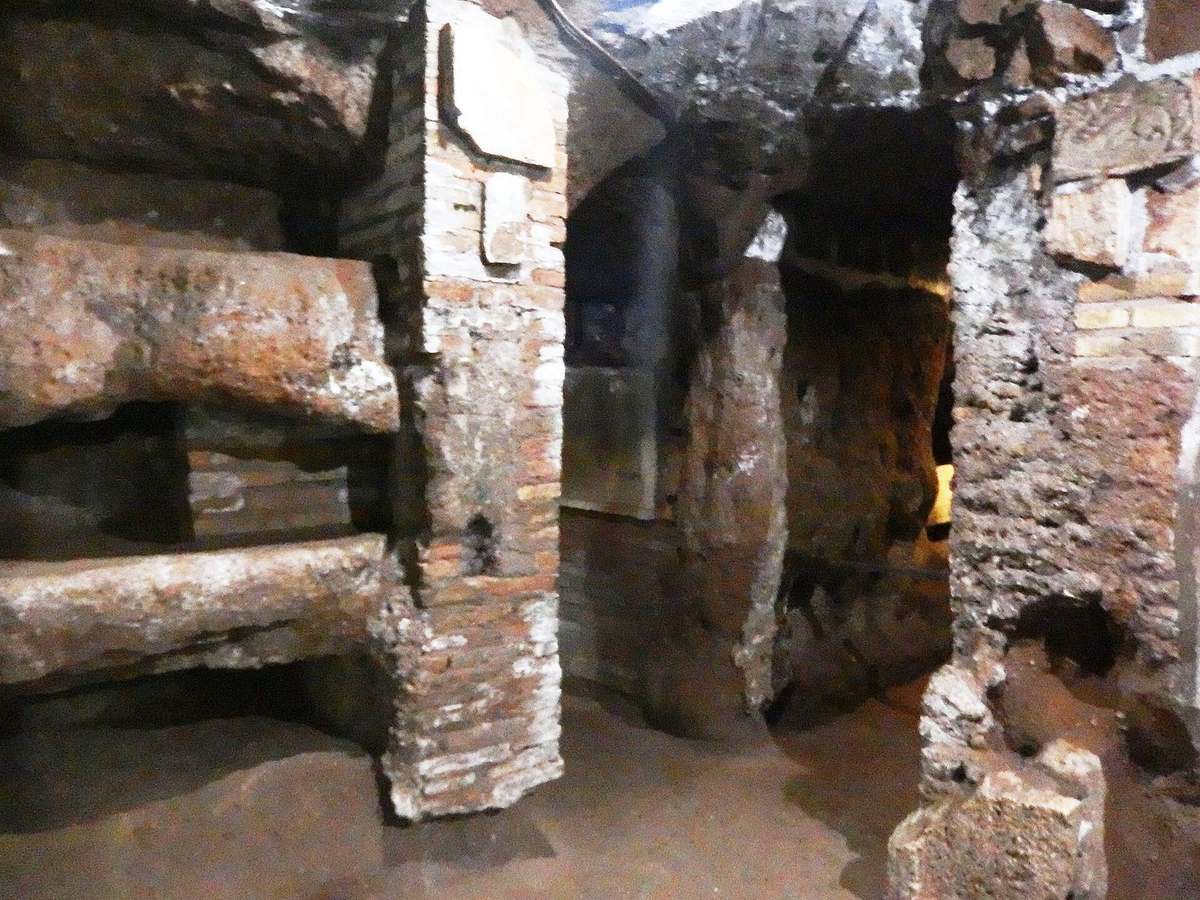
Galleries in the Catacombs of San Sebastiano Photo: Palickap, Wikimedia Commons (CC BY-SA 4.0) 2 Catacombs of San Sebastiano (Catacombe di San Sebastiano)
Appia Antica & South Rome — Via Appia Antica
These catacombs gave the word catacomb its origin: the site was known in antiquity as ad catacumbas, after a hollow in the ground beside the Appian Way, and it is one of the few Christian burial places that has always remained accessible. Read the full guide to Catacombs of San Sebastiano (Catacombe di San Sebastiano) →
-
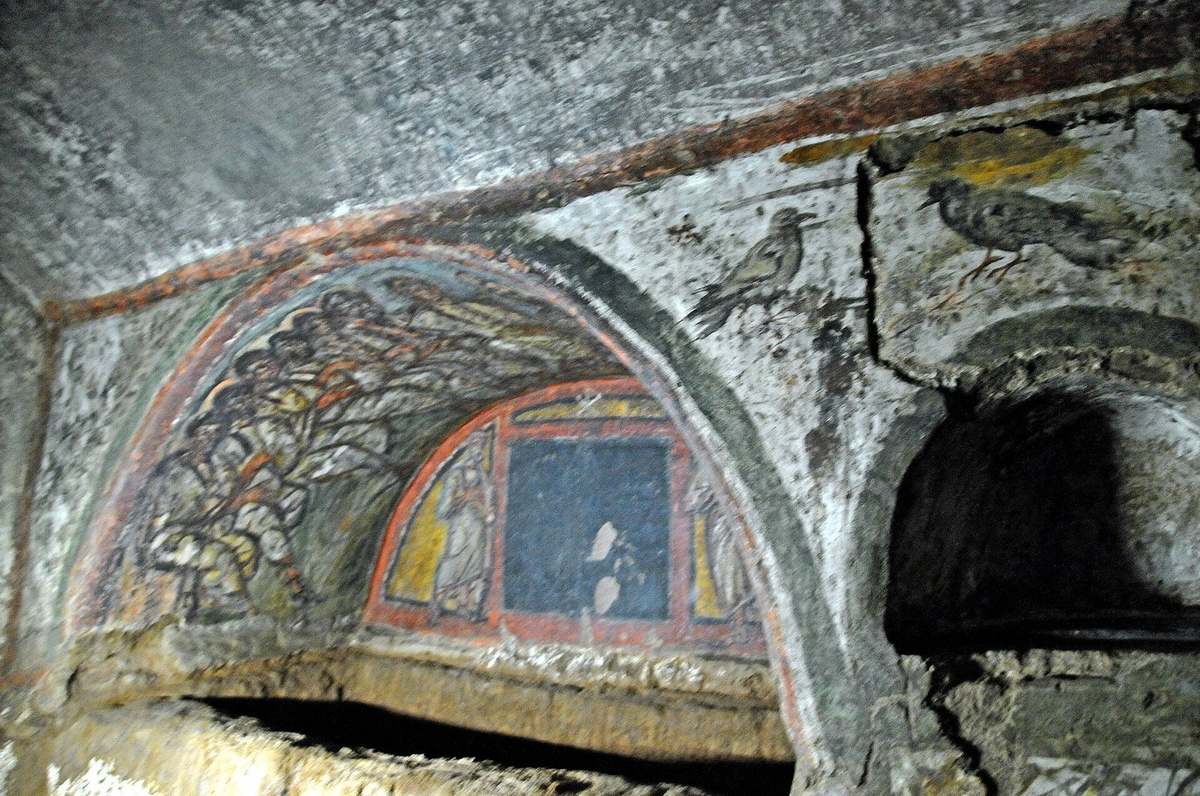
A painted tomb niche in the Catacombs of Domitilla Photo: Dennis G. Jarvis, Wikimedia Commons (CC BY-SA 2.0) 3 Catacombs of Domitilla (Catacombe di Domitilla)
Appia Antica & South Rome — Via delle Sette Chiese
Dug on land that belonged to Flavia Domitilla, of the family of Emperor Vespasian, these are among the largest catacombs in Rome, with about 17 kilometers of galleries on four levels. Read the full guide to Catacombs of Domitilla (Catacombe di Domitilla) →
-
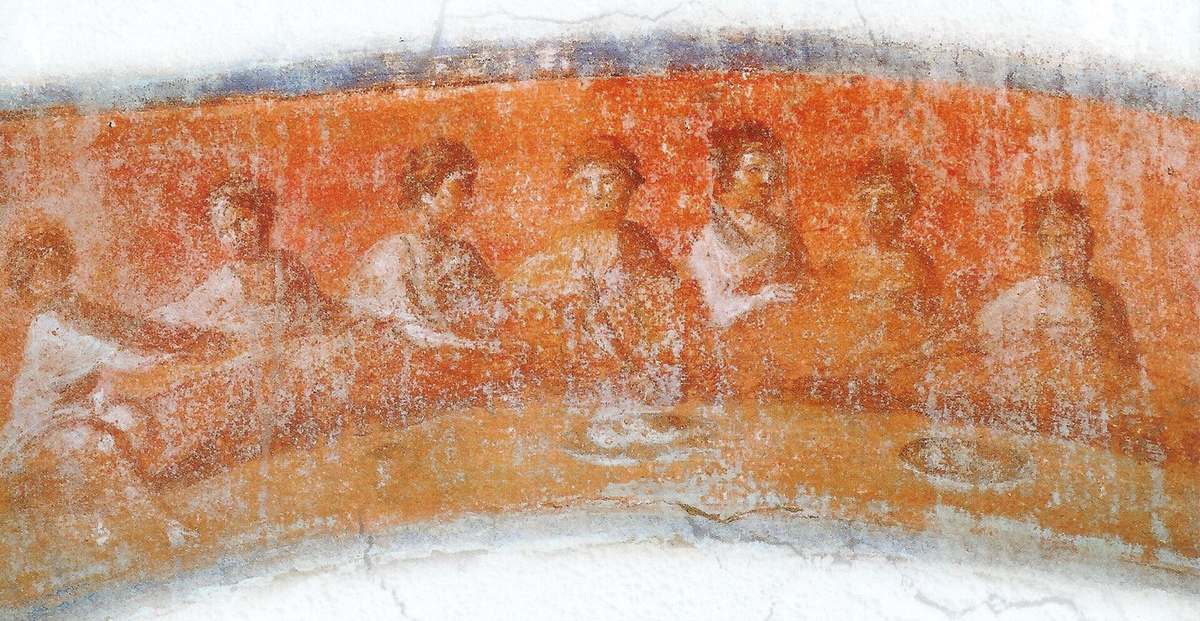
The Fractio Panis fresco in the Catacombs of Priscilla Photo: Unknown 3rd-century painter; photo by André Held, Wikimedia Commons (Public domain) 4 Catacombs of Priscilla (Catacombe di Priscilla)
Villa Borghese & Flaminio — Via Salaria
Dug into a former Roman quarry on Via Salaria between the late 2nd and 5th centuries, the Catacombs of Priscilla held the tombs of many martyrs and of seven popes, including Pope Sylvester. Read the full guide to Catacombs of Priscilla (Catacombe di Priscilla) →
-
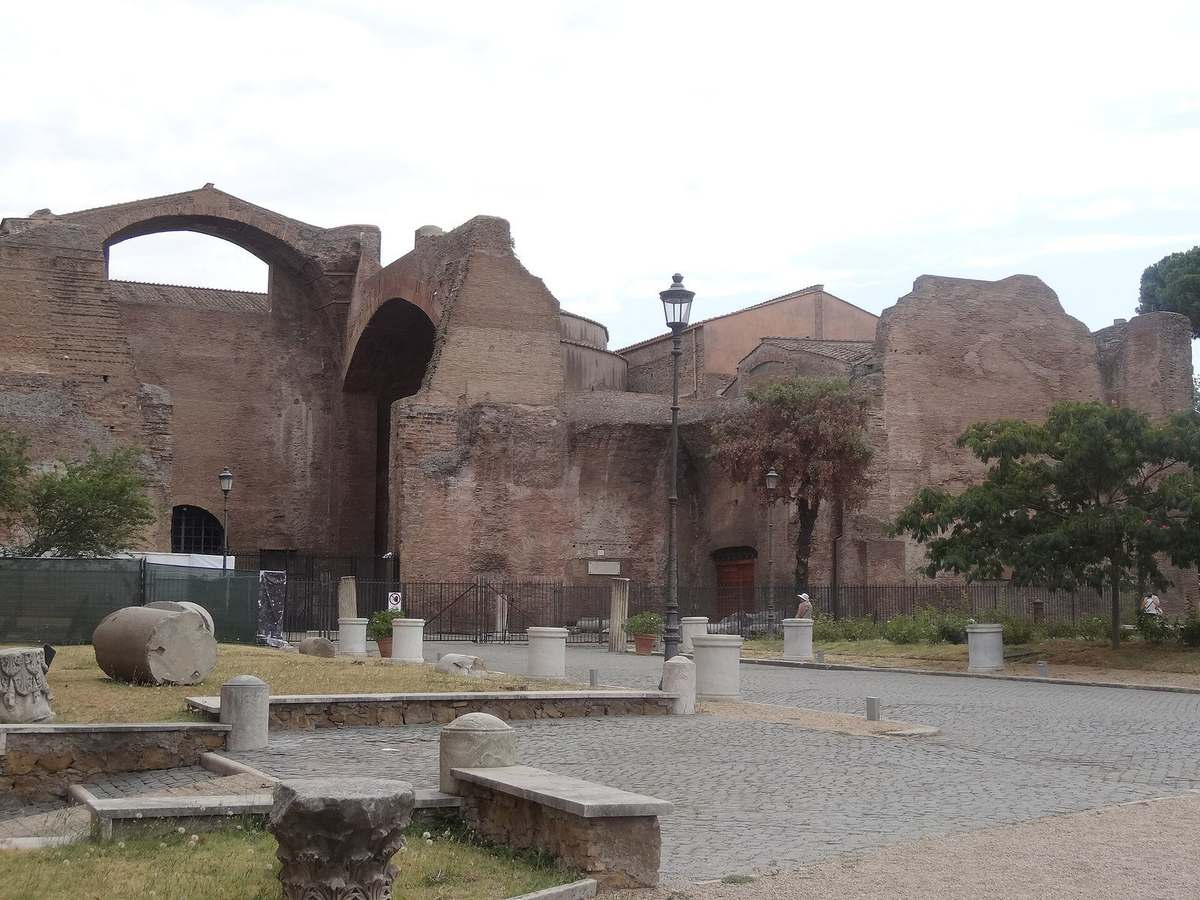
Ruined halls of the Baths of Diocletian near Termini Photo: Jordiferrer, Wikimedia Commons (CC BY-SA 4.0) 5 Baths of Diocletian (Terme di Diocleziano)
Esquilino & Termini
Built in just eight years between AD 298 and 306, the Baths of Diocletian covered 13 hectares between the Viminal and Quirinal hills and could hold up to 3,000 people at once. Read the full guide to Baths of Diocletian (Terme di Diocleziano) →
-
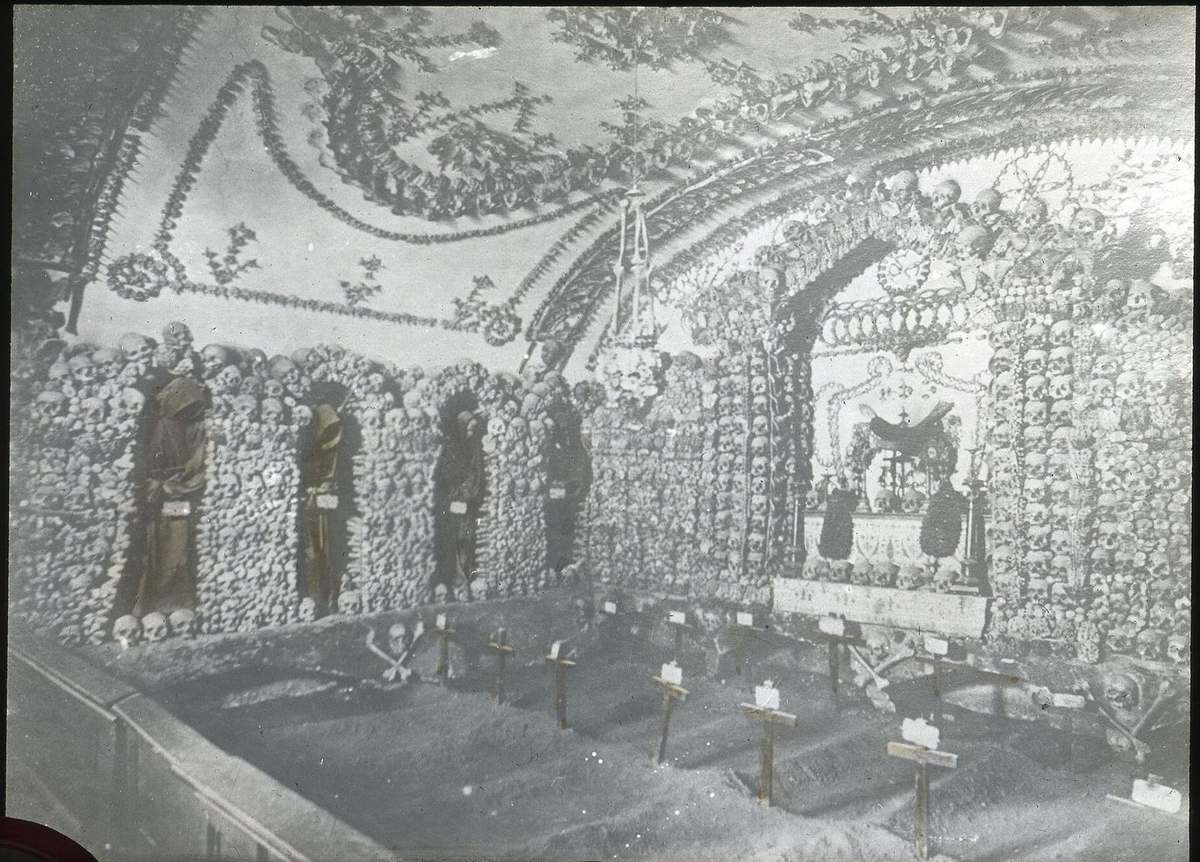
A bone-decorated chapel of the Capuchin Crypt, historic photo Photo: Edmund F. Arras, Wikimedia Commons (Public domain) 6 Capuchin Crypt (Cripta dei Cappuccini)
Centro Storico — Via Veneto
Beneath the church of Santa Maria della Concezione on Via Veneto, a corridor of six small chapels is decorated with the bones of some 3,700 people, most of them Capuchin friars. Read the full guide to Capuchin Crypt (Cripta dei Cappuccini) →
-
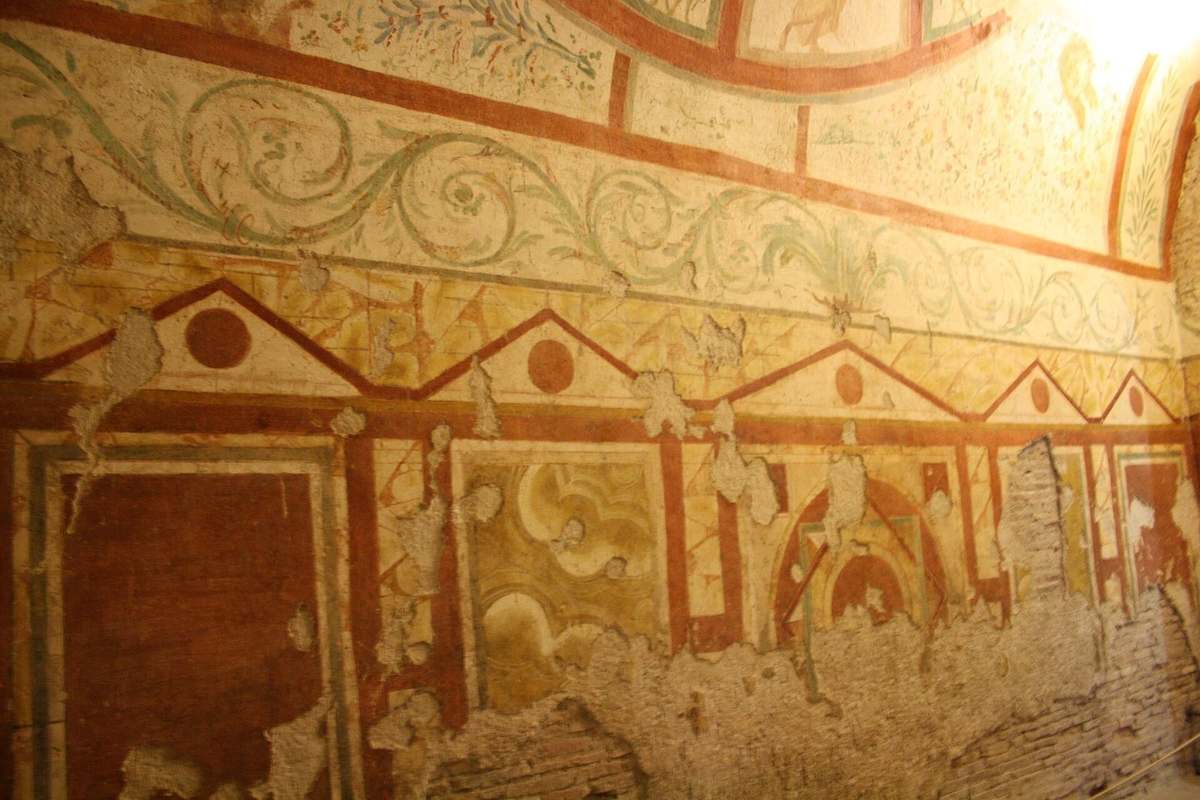
Frescoed room in the Case Romane del Celio Photo: Libens libenter, Wikimedia Commons (CC BY-SA 3.0) 7 Case Romane del Celio
Ancient Rome & Monti — Celio
Below the basilica of Santi Giovanni e Paolo on the Caelian Hill lie over 20 rooms of Roman buildings, 13 of them with frescoes, uncovered in the late 19th century by the basilica's rector, Father Germano di San Stanislao. Read the full guide to Case Romane del Celio →
-
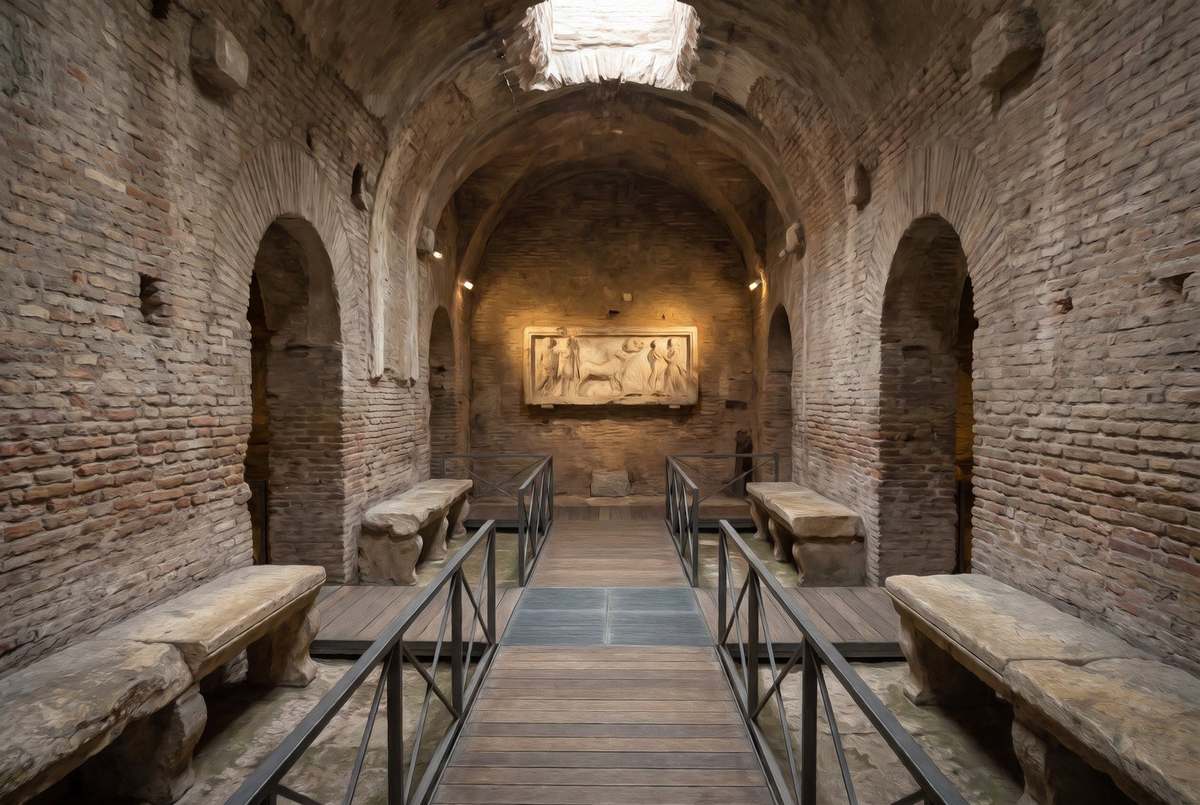
Mithraeum of the Circus Maximus (Mitreo del Circo Massimo) — AI illustration 8 Mithraeum of the Circus Maximus (Mitreo del Circo Massimo)
Aventine & Testaccio — Circus Maximus
In 1931, building work for a storage depot of the Rome Opera uncovered an imperial-era public building near the starting gates of the Circus Maximus. Read the full guide to Mithraeum of the Circus Maximus (Mitreo del Circo Massimo) →
-
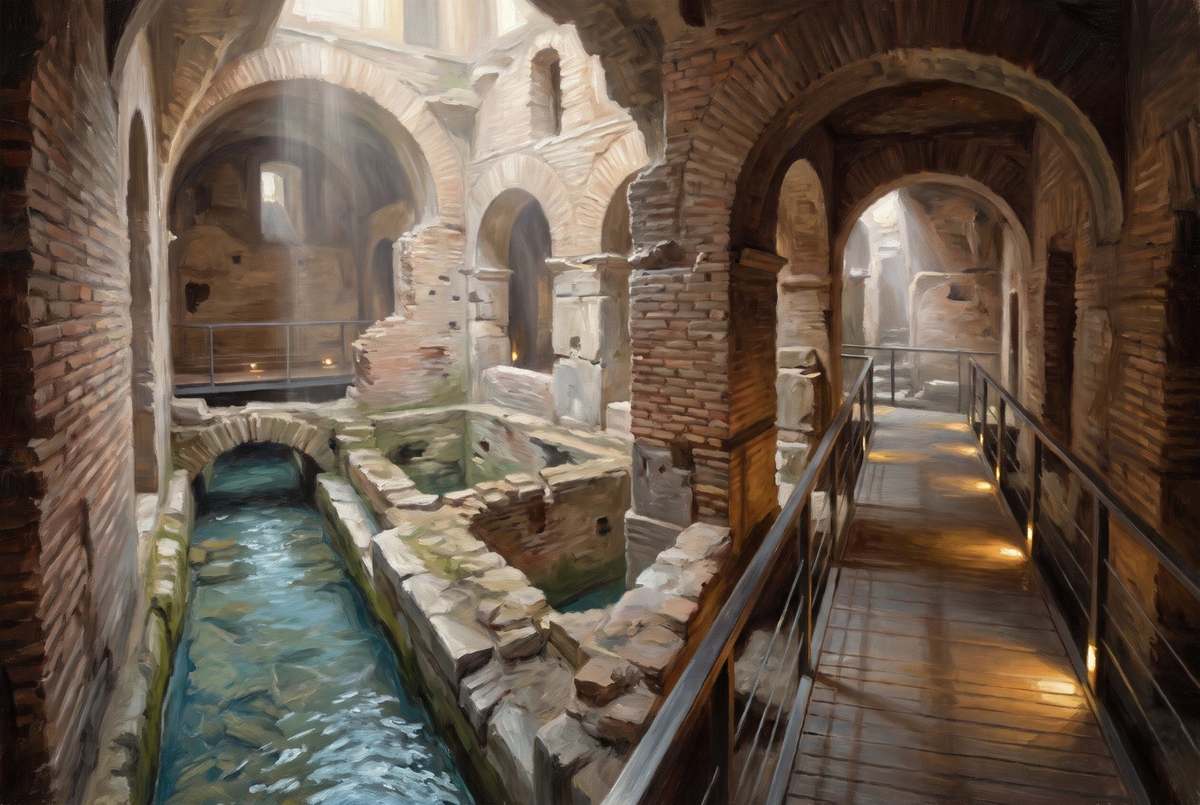
Vicus Caprarius (City of Water) — AI illustration 9 Vicus Caprarius (City of Water)
Centro Storico — Trevi
A short walk from the Trevi Fountain, this underground archaeological area came to light in the late 1990s during the renovation of the former Cinema Trevi. Read the full guide to Vicus Caprarius (City of Water) →


