9 places · Rome
The Best Food Markets and Food Institutions in Rome
Rome still shops at neighborhood markets: covered halls like Testaccio and Trionfale, open-air squares like Campo de' Fiori and San Cosimato, and the Sunday sprawl of Porta Portese for everything that isn't food. Alongside them, a handful of family-run shops have shaped how Romans eat for a century or more, from a gelateria near Parliament to a kosher bakery in the Ghetto. Go in the morning, when markets are at their busiest and the bakeries' first trays are out.
Compare at a glance
| Place | Area |
|---|---|
| Testaccio Market (Mercato di Testaccio) | Aventine & Testaccio |
| Campo de' Fiori Market | Centro Storico |
| Mercato Trionfale | Vatican & Prati |
| Porta Portese Flea Market (Mercato di Porta Portese) | Trastevere & Gianicolo |
| Mercato Centrale Roma | Esquilino & Termini |
| San Cosimato Market (Mercato di Piazza San Cosimato) | Trastevere & Gianicolo |
| Giolitti | Centro Storico |
| Pasticceria Regoli | Esquilino & Termini |
| Pasticceria Boccione | Centro Storico |
-
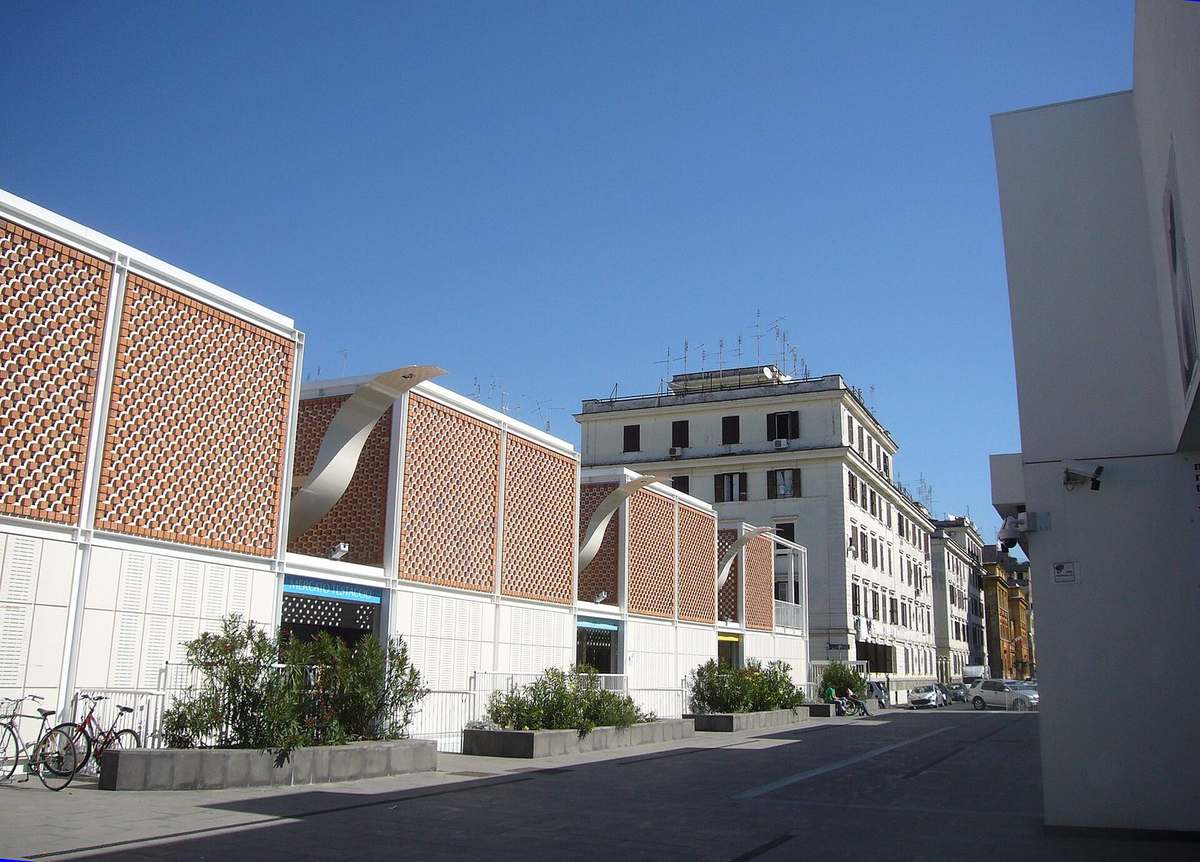
Testaccio's market building, opened in 2012 Photo: Lalupa, Wikimedia Commons (CC BY-SA 3.0) 1 Testaccio Market (Mercato di Testaccio)
Aventine & Testaccio — Testaccio
Testaccio's neighborhood market moved in 2012 into a new building by architect Marco Rietti between Via Galvani and Via Alessandro Volta, a light-filled structure of about 5,000 square meters, covered but open on all four sides. Read the full guide to Testaccio Market (Mercato di Testaccio) →
-
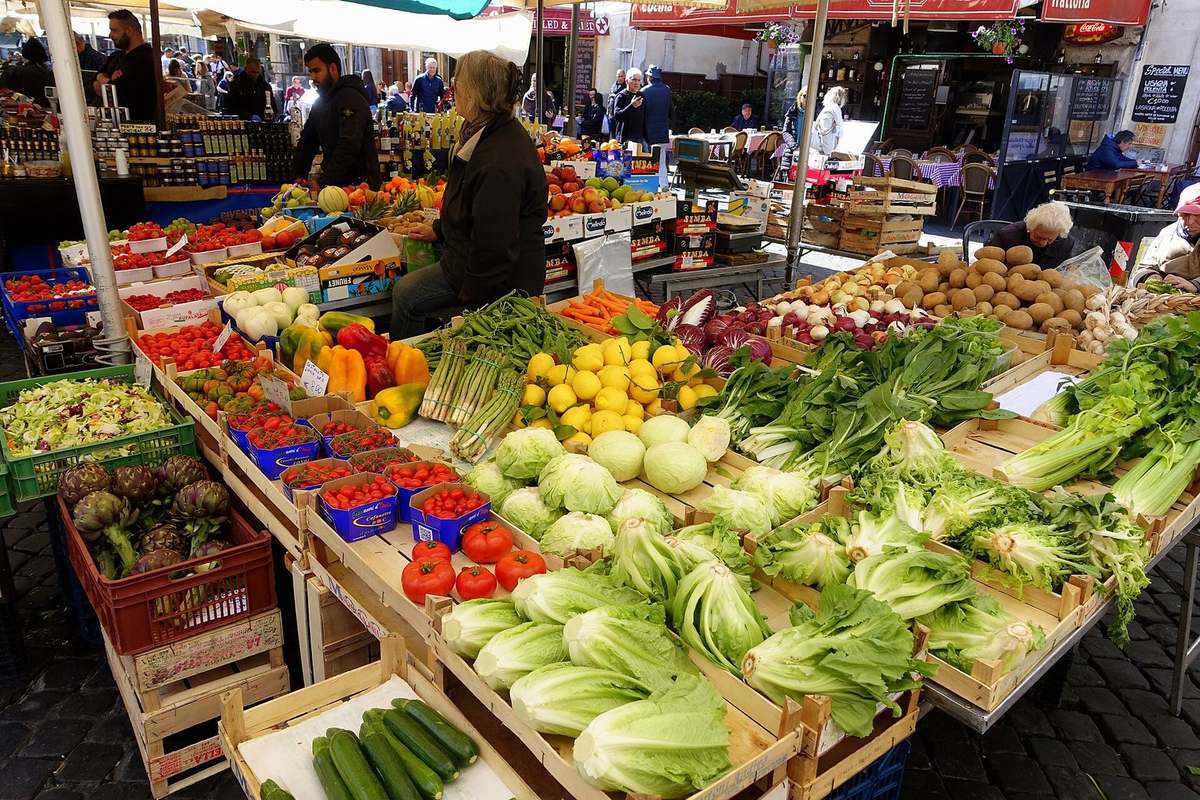
Produce stalls at the Campo de' Fiori morning market Photo: Daderot, Wikimedia Commons (CC0) 2 Campo de' Fiori Market
Centro Storico — Campo de' Fiori
The produce market in Campo de' Fiori has been held in the square since 1869, when it moved here from Piazza Navona, and its wooden stalls still go up every morning except Sunday. Read the full guide to Campo de' Fiori Market →
-
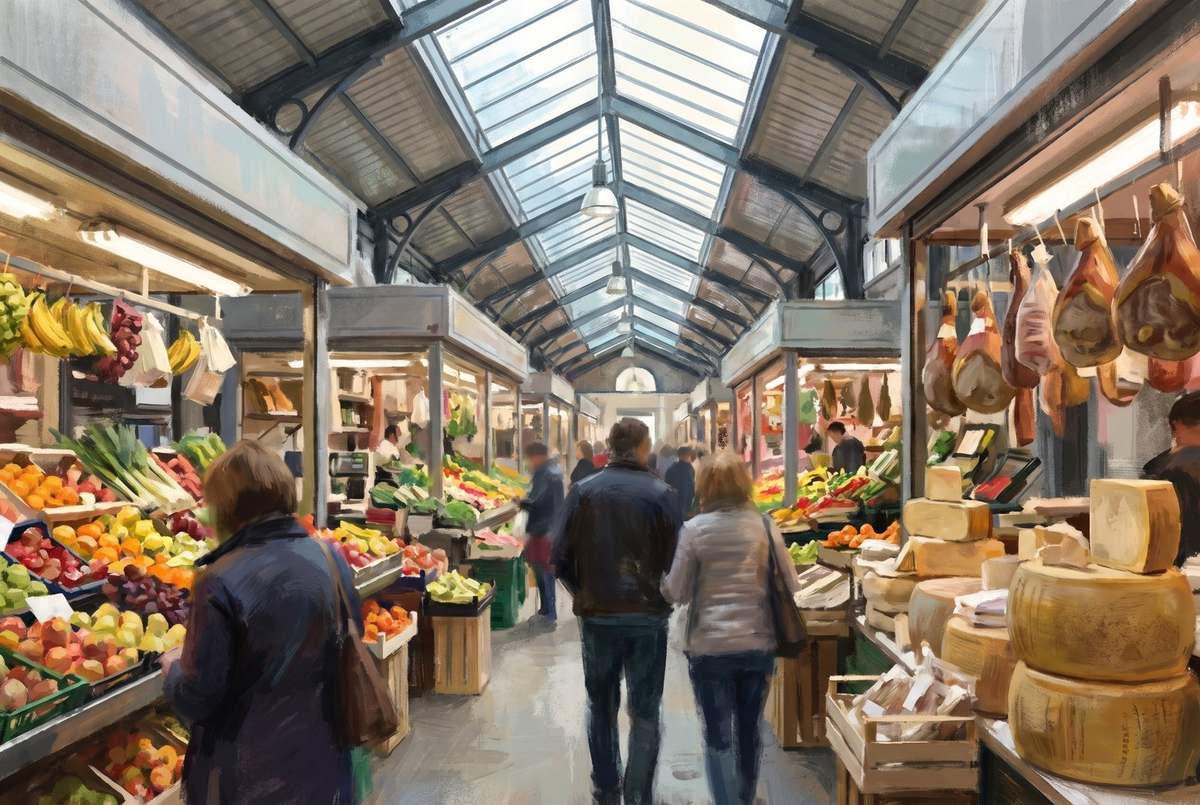
Mercato Trionfale — AI illustration 3 Mercato Trionfale
Vatican & Prati — Trionfale
Mercato Trionfale began in the late 19th century as an open-air market on Viale Giulio Cesare, moved to Via Andrea Doria in the 1930s, and since 2009 has occupied a covered glass-and-concrete building on the same street, with a large parking garage underneath. Read the full guide to Mercato Trionfale →
-
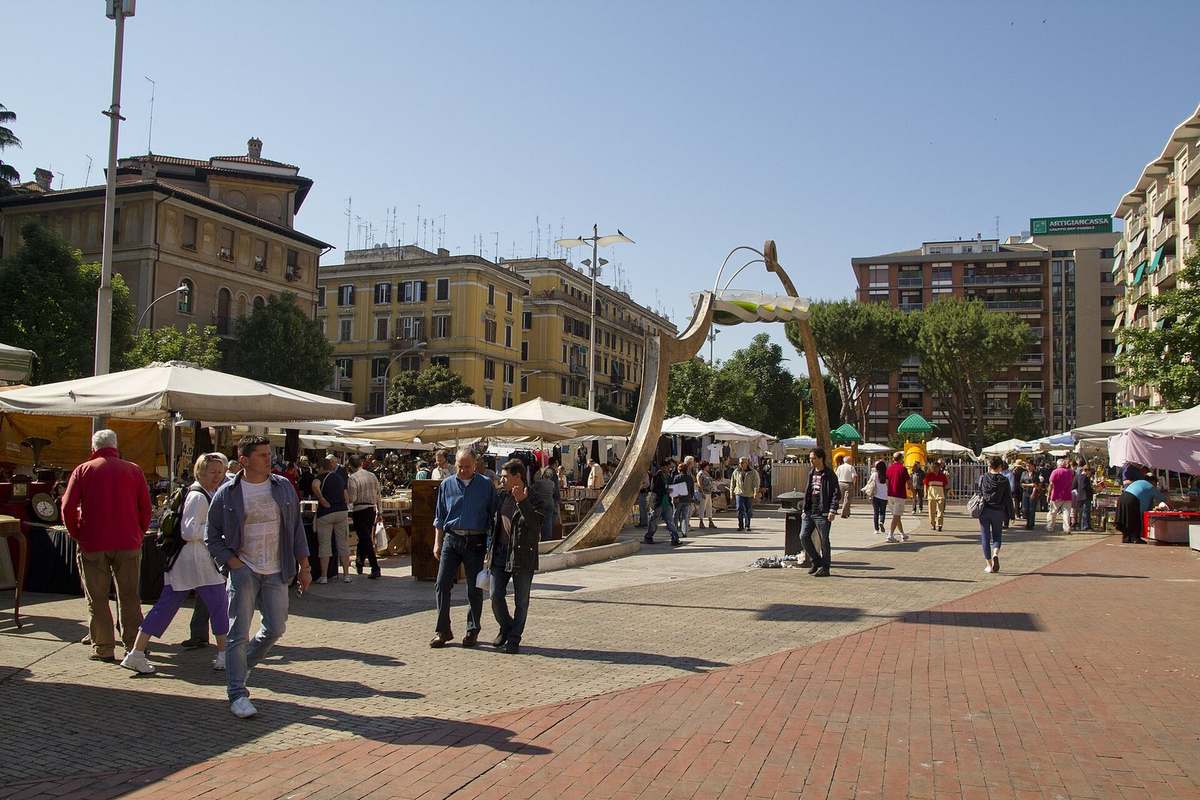
Porta Portese stalls in Piazza Ippolito Nievo Photo: trolvag, Wikimedia Commons (CC BY-SA 3.0) 4 Porta Portese Flea Market (Mercato di Porta Portese)
Trastevere & Gianicolo — Porta Portese
Rome's largest flea market takes over the southern edge of Trastevere every Sunday, with hundreds of stalls filling the area between Piazza Ippolito Nievo, Via Ettore Rolli and Via Portuense. Read the full guide to Porta Portese Flea Market (Mercato di Porta Portese) →
-
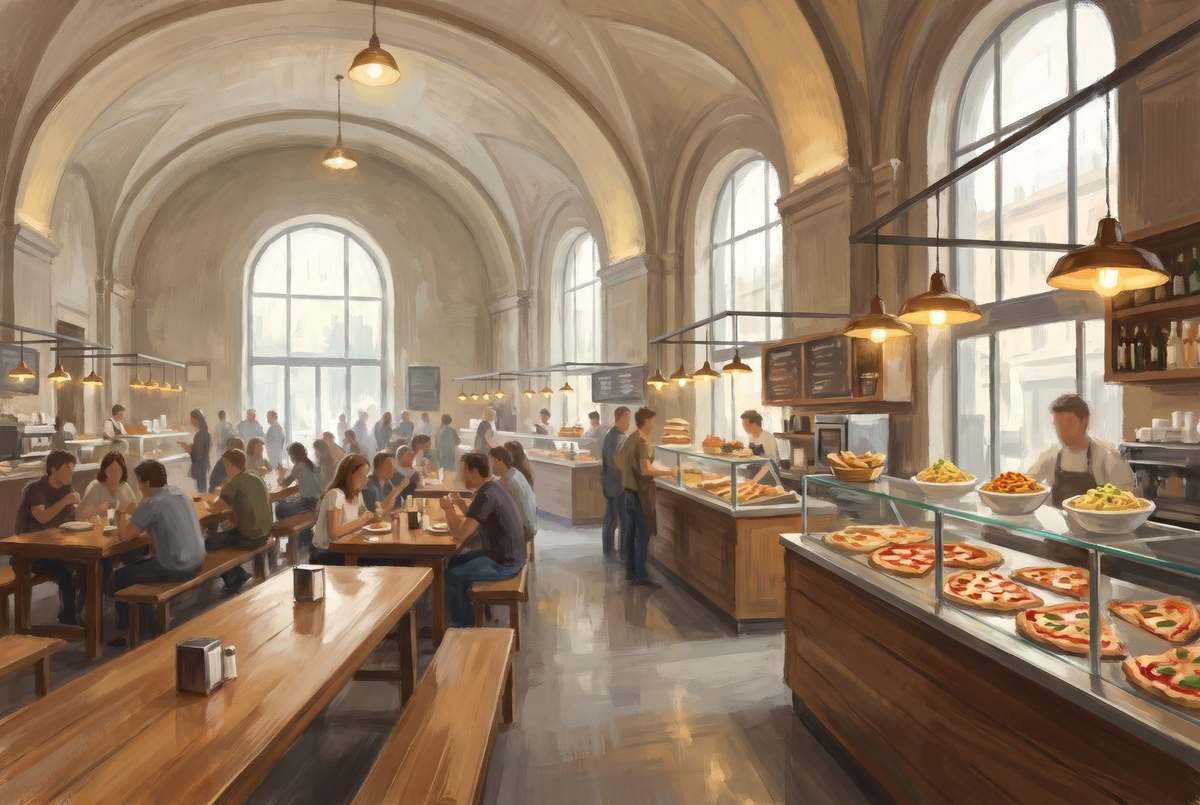
Mercato Centrale Roma — AI illustration 5 Mercato Centrale Roma
Esquilino & Termini — Termini
Mercato Centrale Roma opened in October 2016 inside Termini station, with its entrance on Via Giovanni Giolitti, bringing to Rome the food-hall format Umberto Montano first created in Florence. Read the full guide to Mercato Centrale Roma →
-
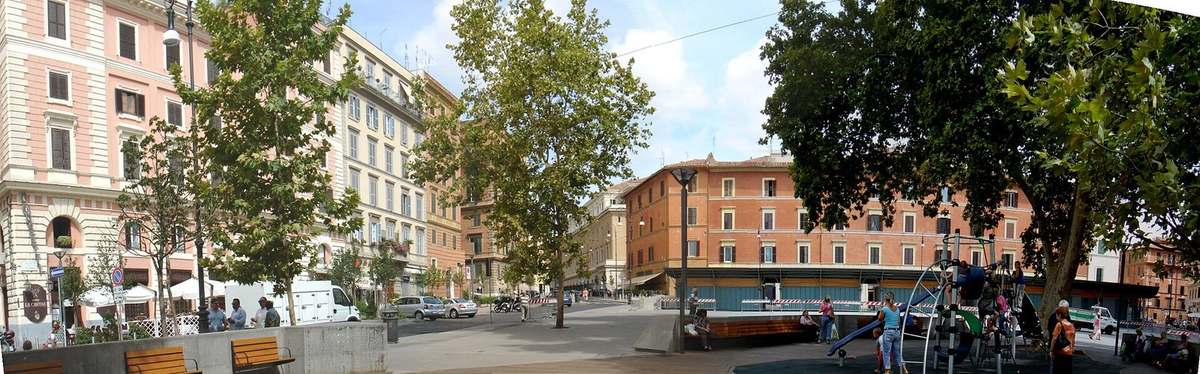
Piazza di San Cosimato, Trastevere, with its market and playground Photo: Lalupa, Wikimedia Commons (CC BY-SA 3.0) 6 San Cosimato Market (Mercato di Piazza San Cosimato)
Trastevere & Gianicolo — San Cosimato
Piazza di San Cosimato holds Trastevere's everyday neighborhood market, set up every morning except Sunday and used far more by residents than by visitors. Read the full guide to San Cosimato Market (Mercato di Piazza San Cosimato) →
-
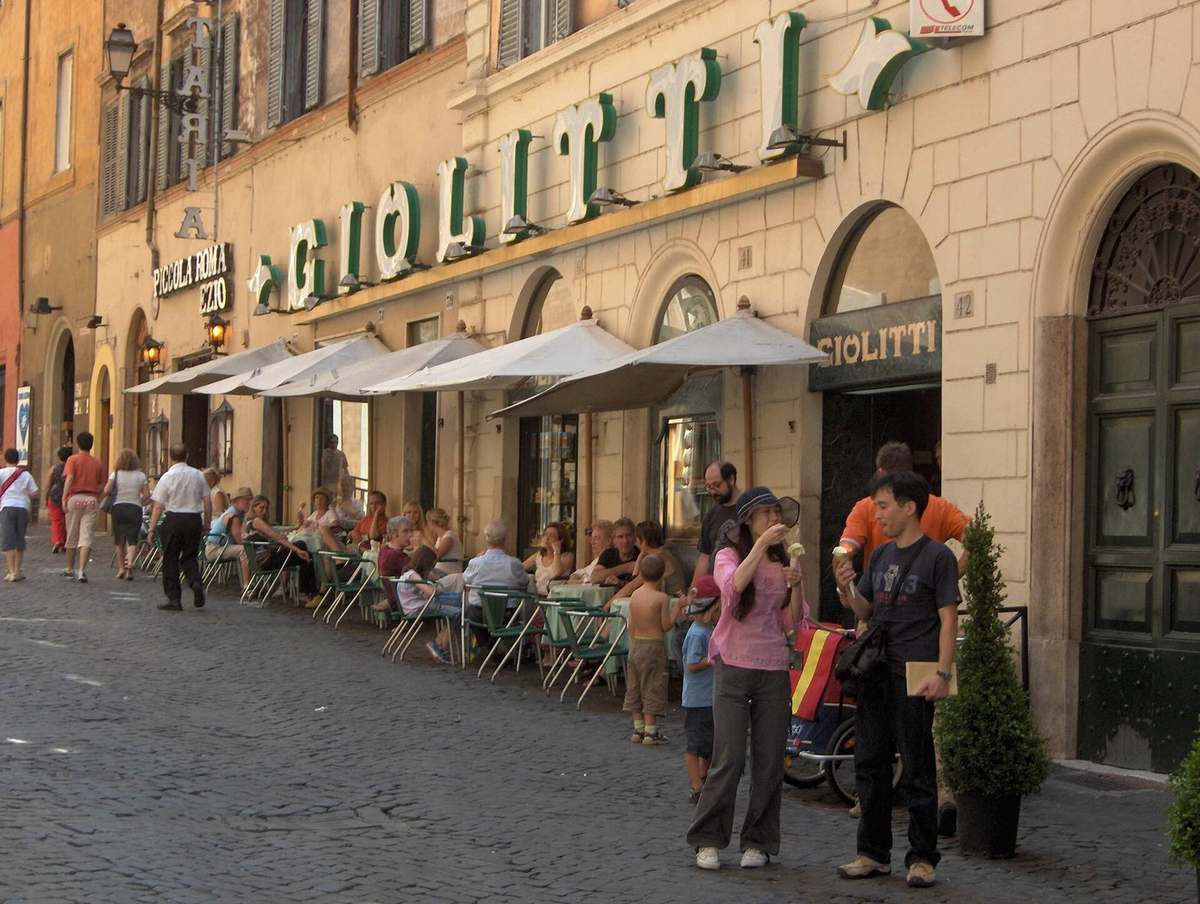
Giolitti on Via degli Uffici del Vicario, near Montecitorio Photo: Chino at en.wikipedia, Wikimedia Commons (Public domain) 7 Giolitti
Centro Storico — Montecitorio
Giolitti traces its origins to 1890, when Giuseppe and Bernardina Giolitti, who had come to Rome from Piedmont, opened a dairy on Salita del Grillo; the quality of their milk later won them contracts to supply the royal household. Read the full guide to Giolitti →
-
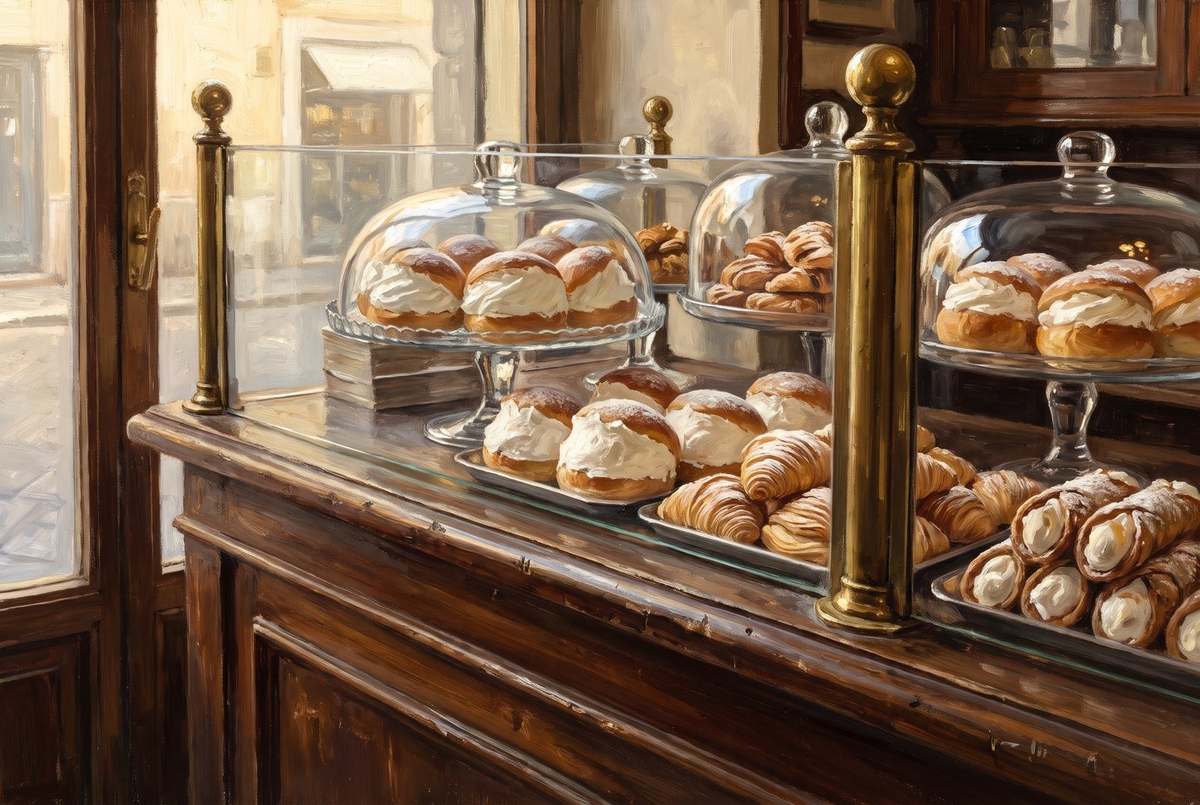
Pasticceria Regoli — AI illustration 8 Pasticceria Regoli
Esquilino & Termini — Esquilino
Pasticceria Regoli has been baking on Via dello Statuto in the Esquilino, a couple of streets from Santa Maria Maggiore, since 1916, and Romans use its maritozzo as the yardstick for every other one in the city. Read the full guide to Pasticceria Regoli →
-
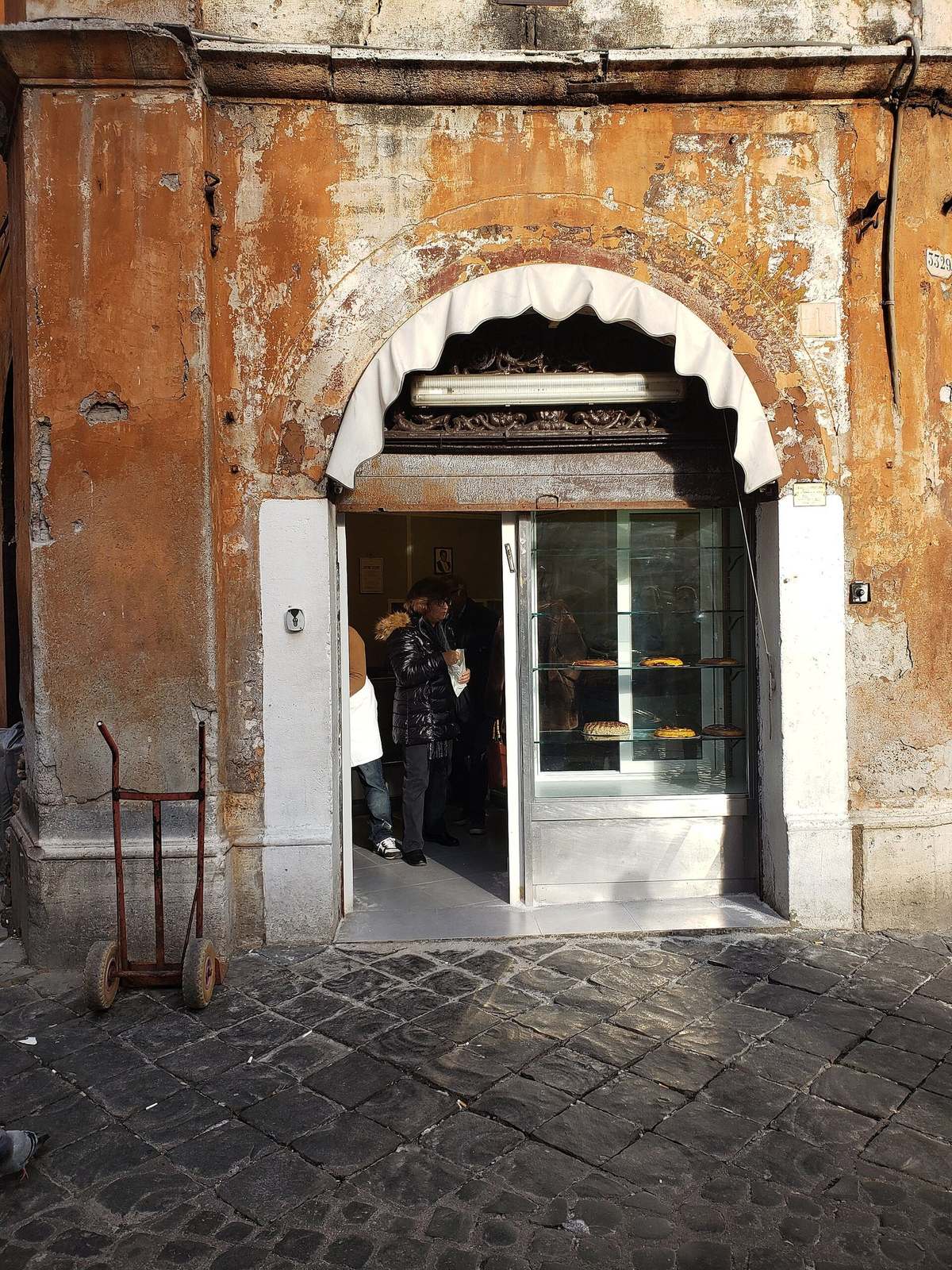
Pasticceria Boccione's unsigned doorway in the Jewish Ghetto Photo: JSFarman, Wikimedia Commons (CC BY-SA 4.0) 9 Pasticceria Boccione
Centro Storico — Jewish Ghetto
Pasticceria Boccione, at Via del Portico d'Ottavia 1, is a kosher bakery founded in 1815 and run by the Limentani family ever since; it is the last kosher bakery left in the Ghetto. Read the full guide to Pasticceria Boccione →


