7 places · Rome
The Best of Vatican City & St. Peter's
Vatican City, an independent microstate inside Rome, holds St. Peter's Basilica, Bernini's square and the Vatican Museums, whose route ends in the Sistine Chapel. Below the basilica, excavations reach a Roman cemetery where Saint Peter's tomb is venerated, and Hadrian's tomb, now Castel Sant'Angelo, stands on the Tiber just outside the walls. Give the museums and basilica a full day, dress with covered shoulders and knees, and book ahead.
Compare at a glance
| Place | Area |
|---|---|
| St. Peter's Basilica (Basilica di San Pietro) | Vatican & Prati |
| St. Peter's Square (Piazza San Pietro) | Vatican & Prati |
| Vatican Museums (Musei Vaticani) | Vatican & Prati |
| Sistine Chapel (Cappella Sistina) | Vatican & Prati |
| Vatican Gardens (Giardini Vaticani) | Vatican & Prati |
| Vatican Necropolis (Scavi) | Vatican & Prati |
| Castel Sant'Angelo | Vatican & Prati |
-
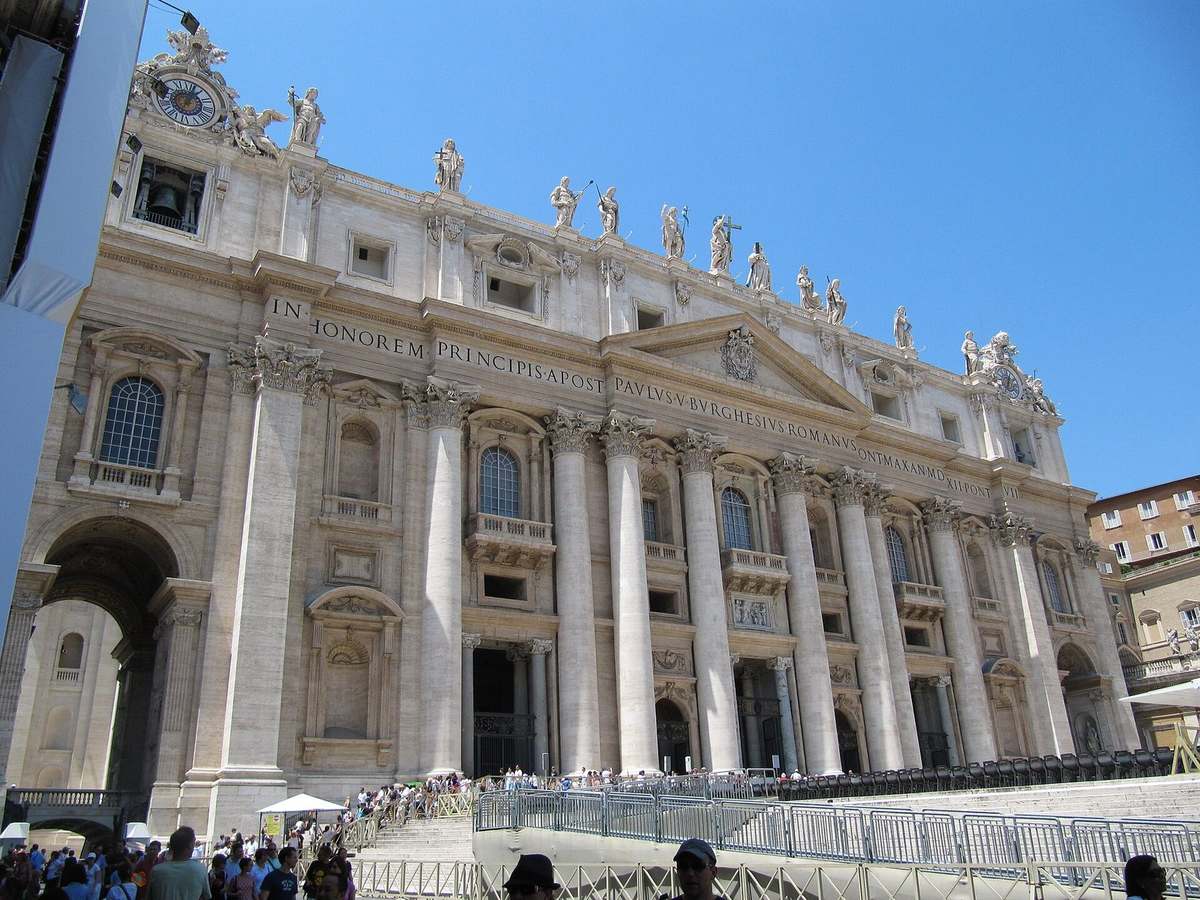
The facade of St. Peter's Basilica Photo: Palickap, Wikimedia Commons (CC BY-SA 4.0) 1 St. Peter's Basilica (Basilica di San Pietro)
Vatican & Prati — Vatican City
Built over the traditional burial place of Saint Peter, the current basilica replaced the 4th-century church of Constantine; work began on April 18, 1506, and Pope Urban VIII dedicated it on November 18, 1626. Read the full guide to St. Peter's Basilica (Basilica di San Pietro) →
-
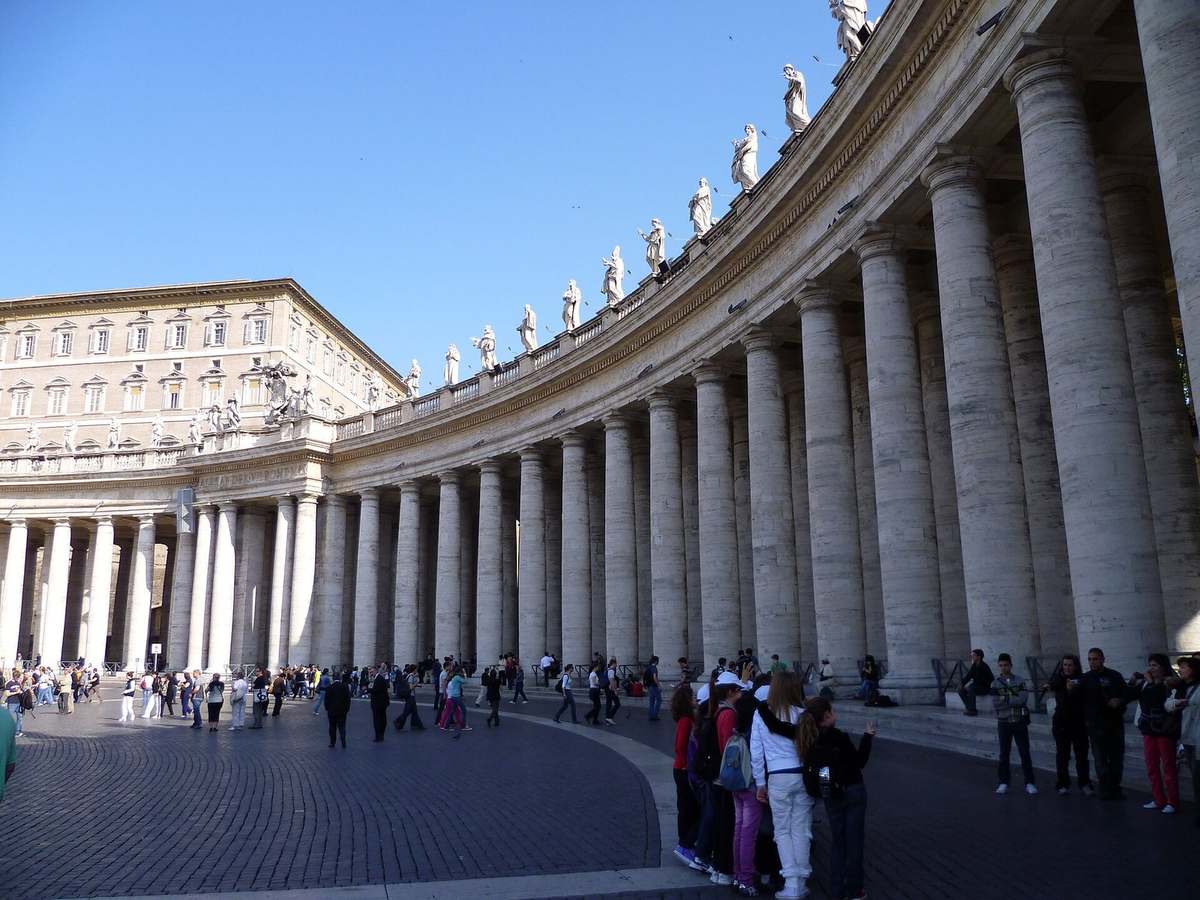
Bernini's colonnade in St. Peter's Square Photo: Denisbelli, Wikimedia Commons (CC BY-SA 3.0) 2 St. Peter's Square (Piazza San Pietro)
Vatican & Prati — Vatican City
Gian Lorenzo Bernini designed the square for Pope Alexander VII, wrapping its oval in colonnades of Tuscan columns four deep, meant to embrace visitors like the arms of the Church. Read the full guide to St. Peter's Square (Piazza San Pietro) →
-
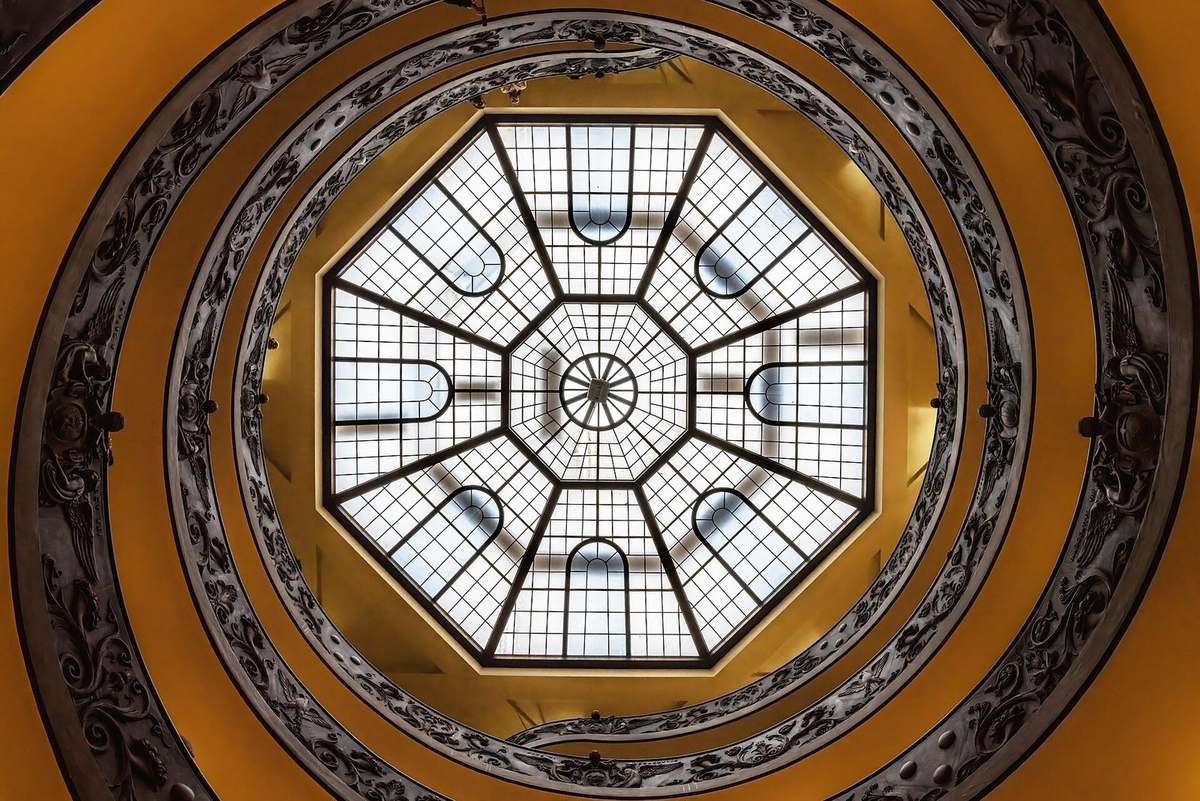
Spiral staircase skylight in the Vatican Museums Photo: Wilfredor, Wikimedia Commons (CC0) 3 Vatican Museums (Musei Vaticani)
Vatican & Prati — Vatican City
Pope Julius II founded the collections in the early 16th century, and they trace their origin to the Laocoön group, found on January 14, 1506 and bought by the pope on the advice of Michelangelo and Giuliano da Sangallo. Read the full guide to Vatican Museums (Musei Vaticani) →
-
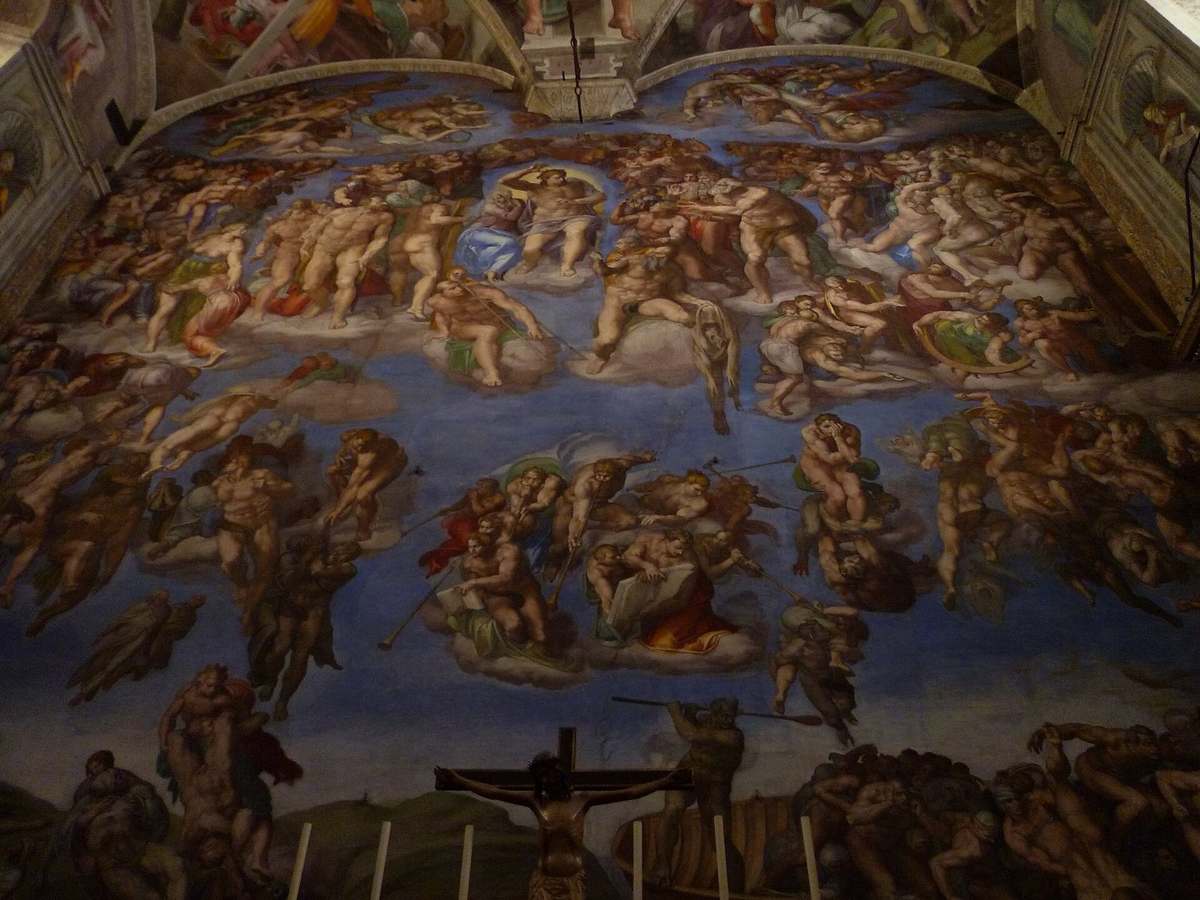
Michelangelo's Last Judgment in the Sistine Chapel Photo: Denisbelli, Wikimedia Commons (CC BY-SA 3.0) 4 Sistine Chapel (Cappella Sistina)
Vatican & Prati — Vatican City
Pope Sixtus IV rebuilt the chapel on this site and consecrated it in 1483, and Botticelli, Perugino, Ghirlandaio and others painted the walls with the Stories of Moses and Christ. Read the full guide to Sistine Chapel (Cappella Sistina) →
-
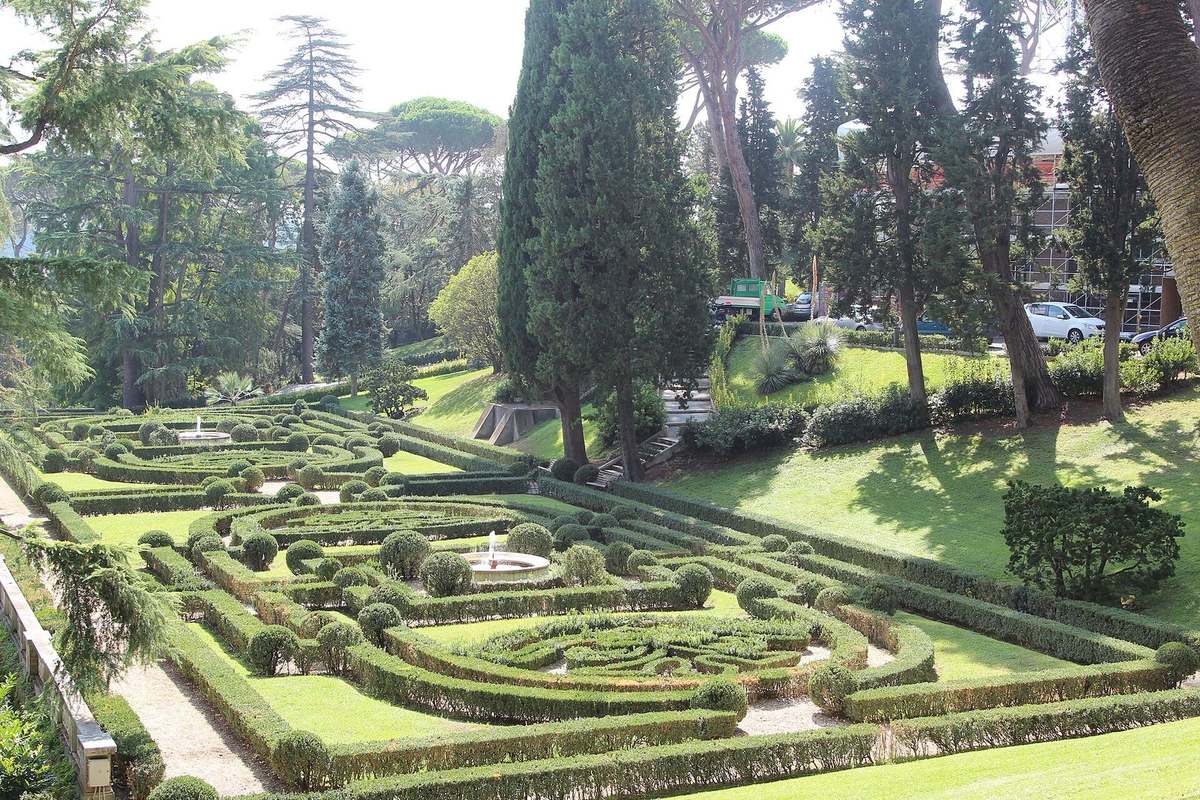
The formal garden in the Vatican Gardens Photo: Fallaner, Wikimedia Commons (CC BY-SA 4.0) 5 Vatican Gardens (Giardini Vaticani)
Vatican & Prati — Vatican City
The Vatican Gardens cover about 23 hectares (57 acres), roughly half of Vatican City, rising to 60 meters (197 feet) above sea level. Read the full guide to Vatican Gardens (Giardini Vaticani) →
-
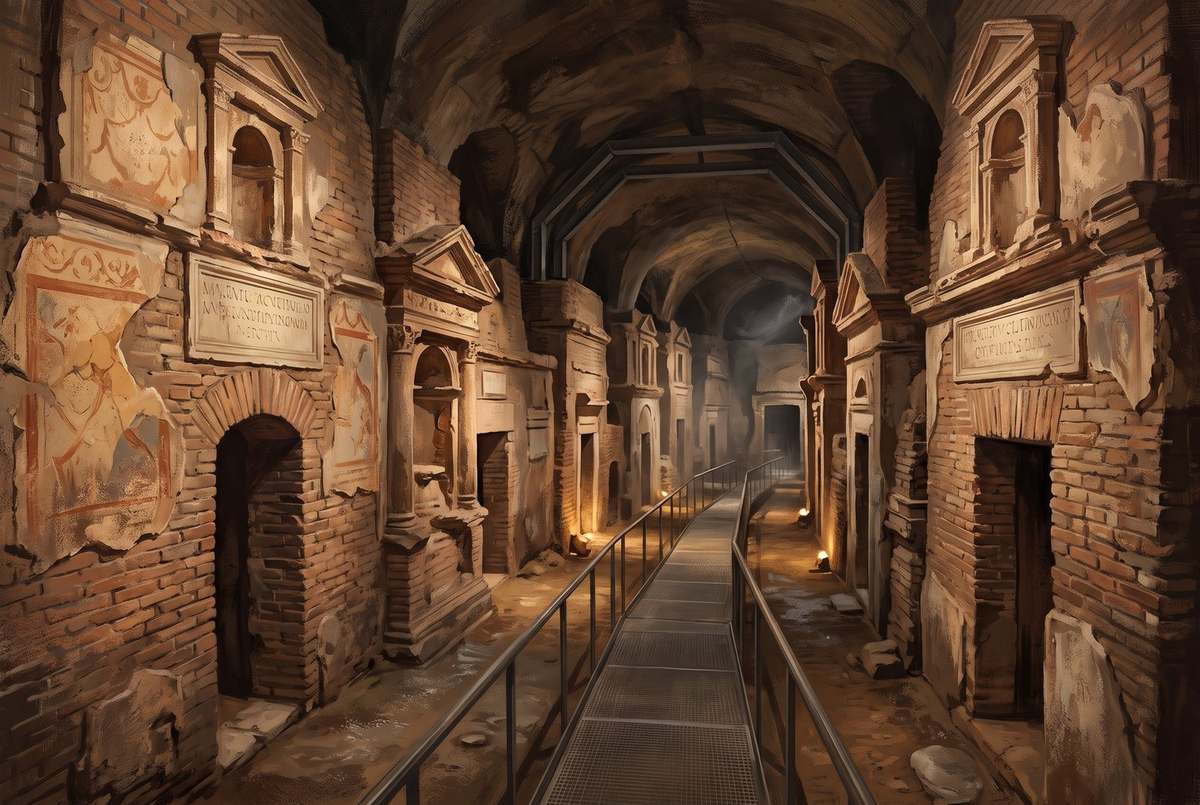
Vatican Necropolis (Scavi) — AI illustration 6 Vatican Necropolis (Scavi)
Vatican & Prati — Vatican City
Beneath St. Read the full guide to Vatican Necropolis (Scavi) →
-
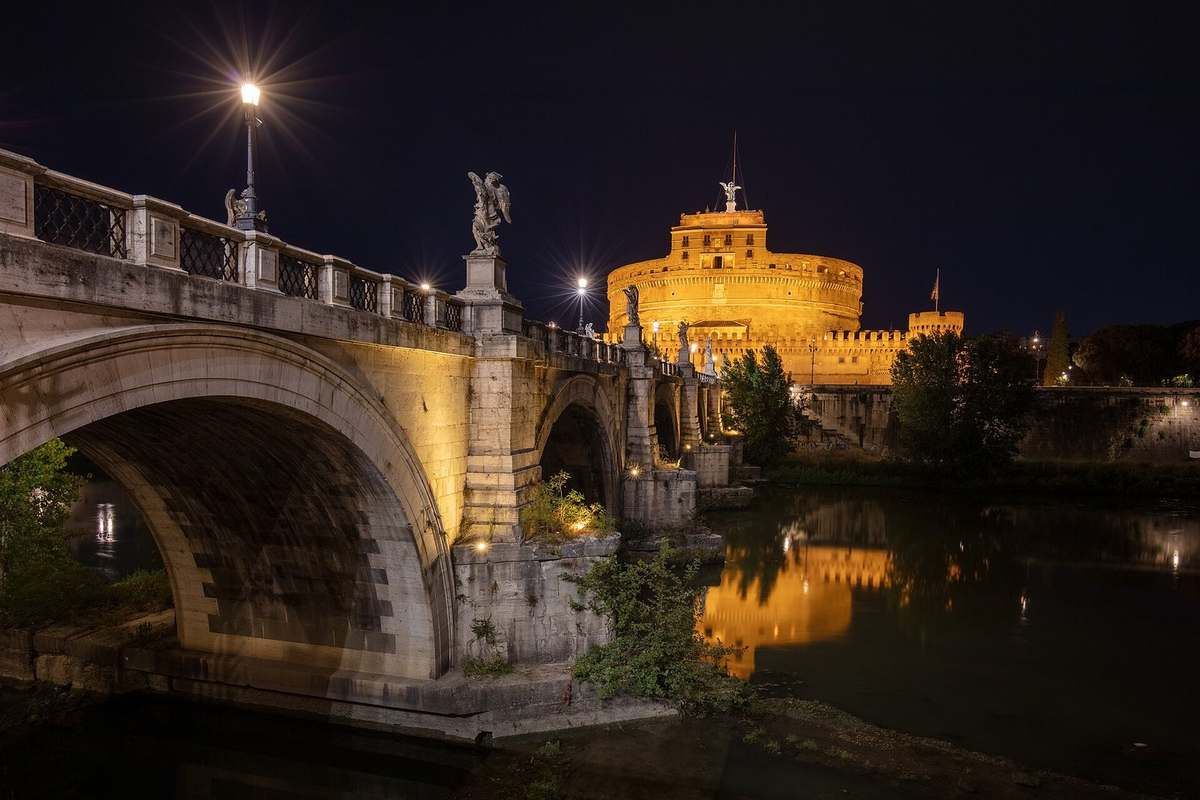
Castel Sant'Angelo and Ponte Sant'Angelo at night Photo: Diego Delso, Wikimedia Commons (CC BY-SA 4.0) 7 Castel Sant'Angelo
Vatican & Prati — Borgo
Emperor Hadrian built this cylinder on the Tiber as his family mausoleum between AD 134 and 139, and later emperors were buried here until Caracalla in 217. Read the full guide to Castel Sant'Angelo →


