12 places · Rome
The Best Ancient Sites in Rome
Most of Rome's ancient core sits in a compact zone between the Colosseum, the Roman Forum and the Palatine Hill, and one timed ticket from the Colosseum archaeological park covers all three. A short walk north, the Imperial Forums, Trajan's Market and Michelangelo's Capitoline square lead toward the Campus Martius, where the Pantheon, the temples of Largo di Torre Argentina and the Ara Pacis stand among later streets. Plan at least two full days, and book timed entries in advance.
Compare at a glance
| Place | Area |
|---|---|
| Colosseum (Colosseo) | Ancient Rome & Monti |
| Roman Forum (Foro Romano) | Ancient Rome & Monti |
| Palatine Hill (Palatino) | Ancient Rome & Monti |
| Pantheon | Centro Storico |
| Capitoline Hill (Piazza del Campidoglio) | Ancient Rome & Monti |
| Imperial Forums and Trajan's Market (Fori Imperiali) | Ancient Rome & Monti |
| Circus Maximus (Circo Massimo) | Aventine & Testaccio |
| Baths of Caracalla (Terme di Caracalla) | Aventine & Testaccio |
| Domus Aurea | Ancient Rome & Monti |
| Largo di Torre Argentina | Centro Storico |
| Theatre of Marcellus (Teatro di Marcello) | Centro Storico |
| Ara Pacis (Ara Pacis Augustae) | Centro Storico |
-
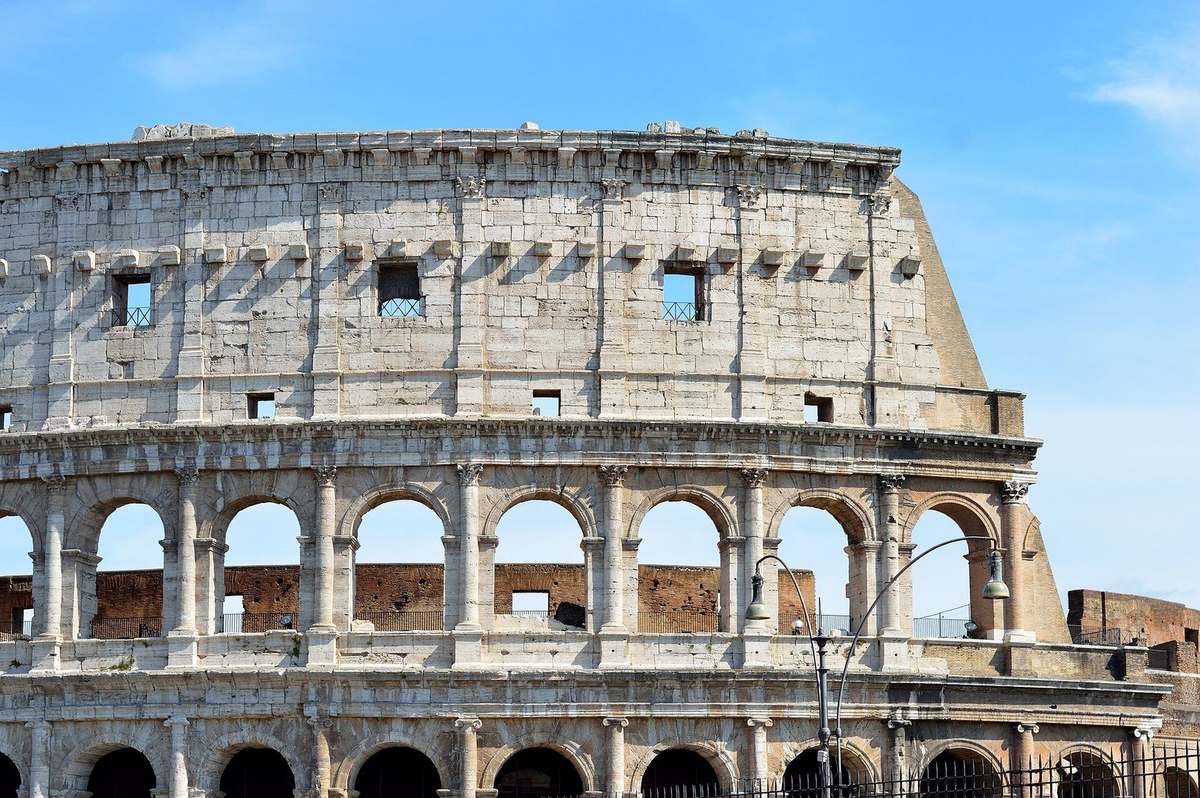
The Colosseum's outer wall, seen from the south side Photo: Livioandronico2013, Wikimedia Commons (CC BY-SA 4.0) 1 Colosseum (Colosseo)
Ancient Rome & Monti — Colosseo
The Colosseum is the largest amphitheater ever built. Read the full guide to Colosseum (Colosseo) →
-
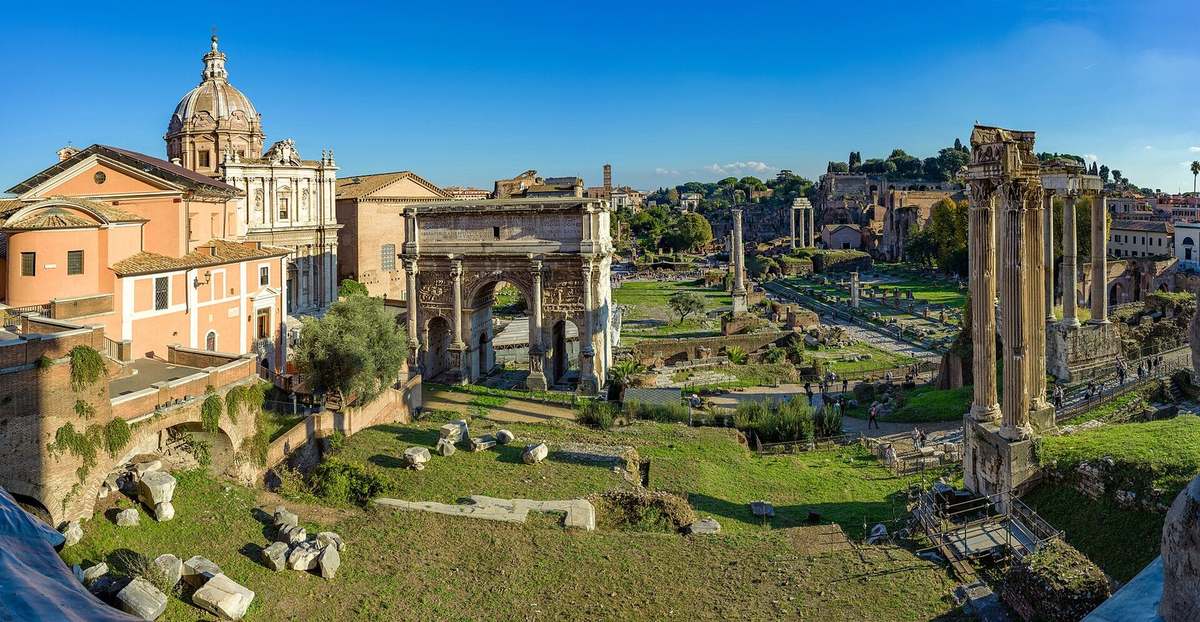
The Roman Forum from the Capitoline Hill Photo: Wolfgang Moroder, Wikimedia Commons (CC BY-SA 3.0) 2 Roman Forum (Foro Romano)
Ancient Rome & Monti — Fori
The Roman Forum fills the valley between the Palatine and Capitoline hills, a former swamp that was reclaimed in the late 7th century BC and remained the center of public life for over a millennium. Read the full guide to Roman Forum (Foro Romano) →
-
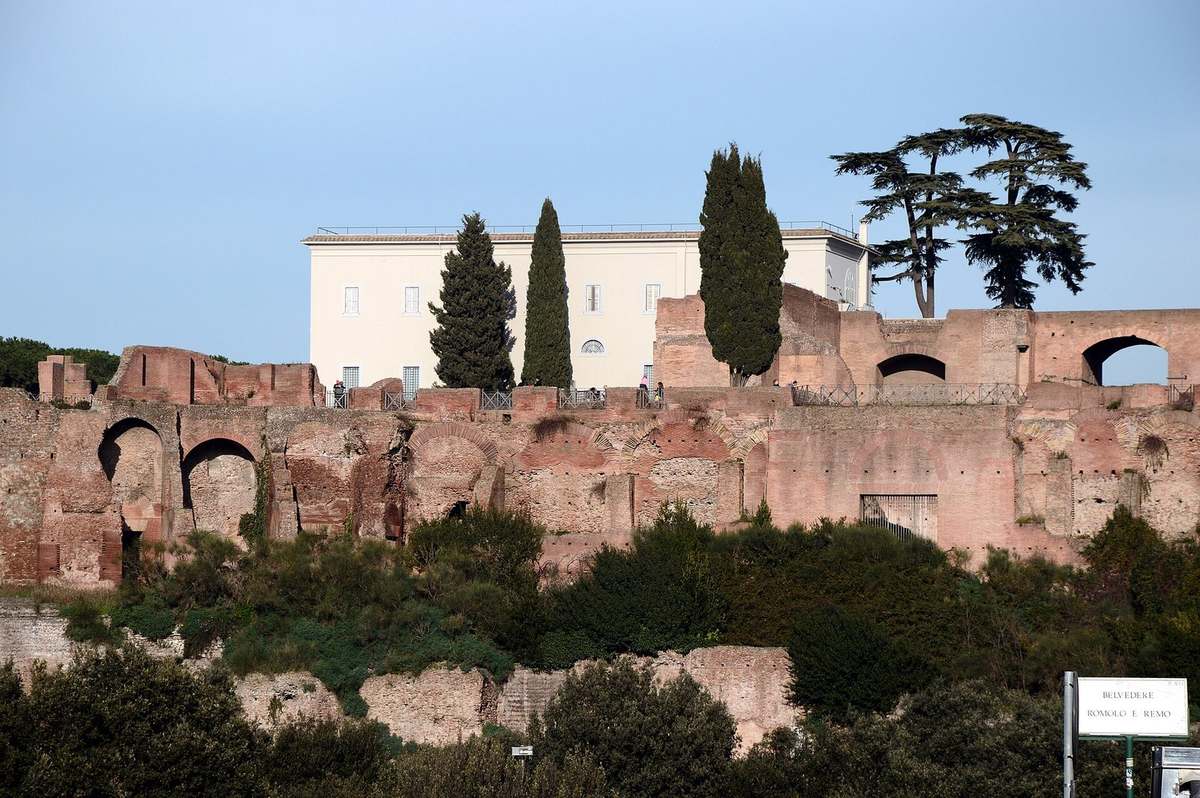
Ruins of the Domus Augustana and the Palatine Museum Photo: Livioandronico2013, Wikimedia Commons (CC BY-SA 4.0) 3 Palatine Hill (Palatino)
Ancient Rome & Monti — Palatino
The Palatine is the centermost of Rome's seven hills and holds remains of Iron Age huts from the city's earliest settlement. Read the full guide to Palatine Hill (Palatino) →
-
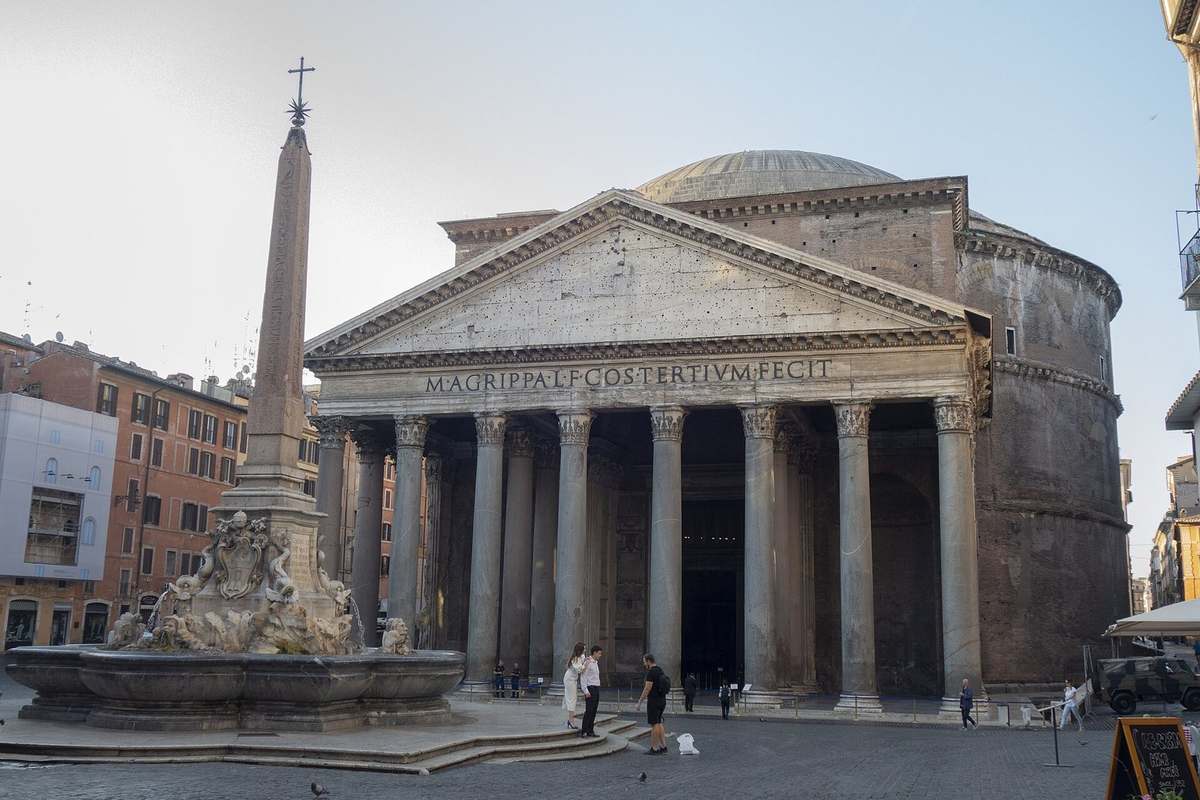
The Pantheon and its fountain on Piazza della Rotonda Photo: Nicholas Hartmann, Wikimedia Commons (CC BY-SA 4.0) 4 Pantheon
Centro Storico — Piazza della Rotonda
The Pantheon was first built under Augustus by Marcus Agrippa; after that temple burned, Hadrian rebuilt it, probably dedicating it around AD 126 while keeping Agrippa's name in the inscription. Read the full guide to Pantheon →
-
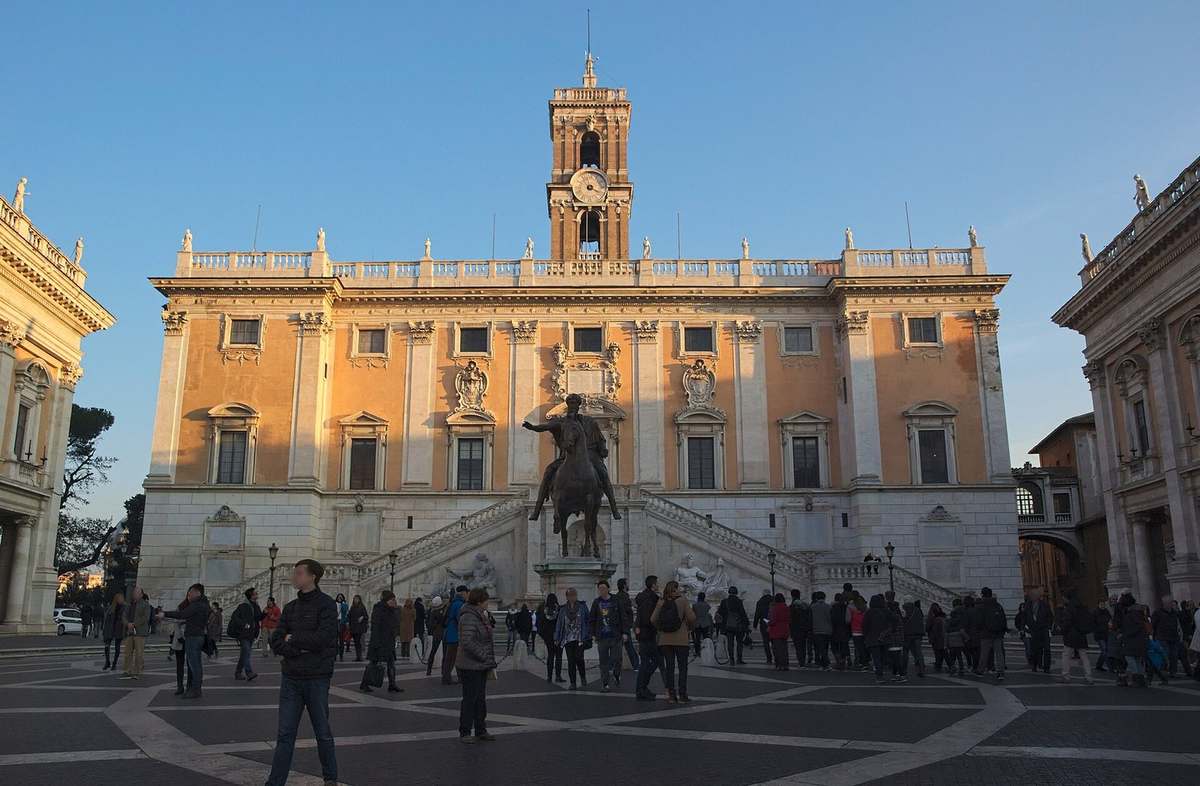
Piazza del Campidoglio with the Marcus Aurelius statue Photo: Xosema, Wikimedia Commons (CC BY-SA 4.0) 5 Capitoline Hill (Piazza del Campidoglio)
Ancient Rome & Monti — Campidoglio
Michelangelo redesigned the square on top of the Capitoline Hill for Pope Paul III, beginning in the 1530s, turning it to face St. Read the full guide to Capitoline Hill (Piazza del Campidoglio) →
-
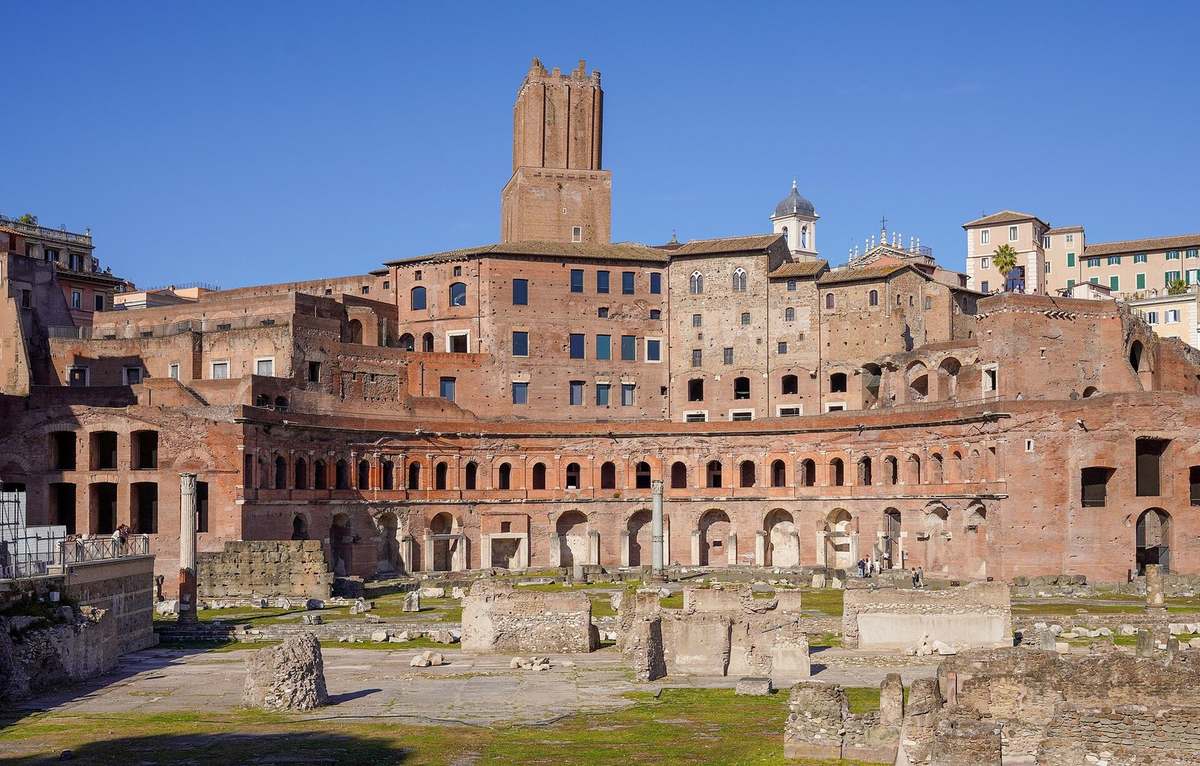
Trajan's Market and the Torre delle Milizie Photo: NikonZ7II, Wikimedia Commons (CC BY-SA 4.0) 6 Imperial Forums and Trajan's Market (Fori Imperiali)
Ancient Rome & Monti — Fori Imperiali
When the old Forum became too small, emperors added their own monumental squares between 46 BC and AD 113: the forums of Caesar, Augustus, Vespasian (the Temple of Peace), Nerva and Trajan. Read the full guide to Imperial Forums and Trajan's Market (Fori Imperiali) →
-
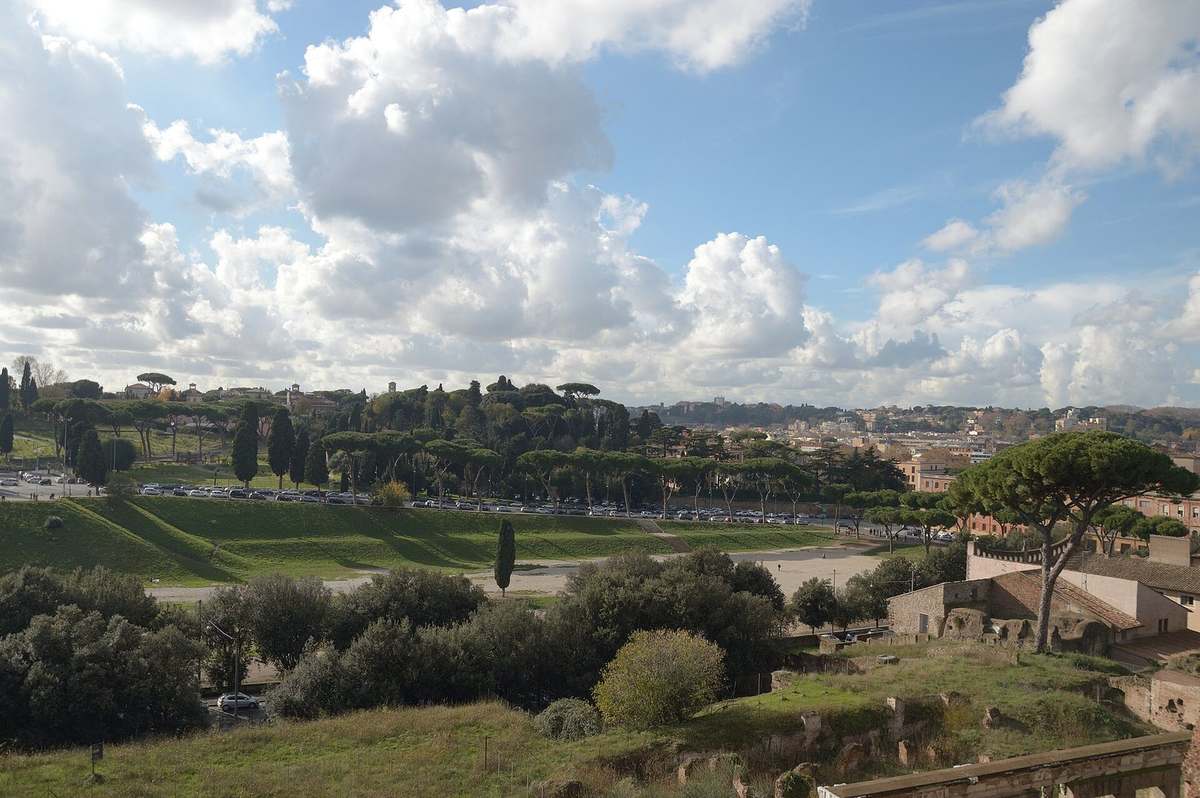
The Circus Maximus seen from the Palatine Hill Photo: Livioandronico2013, Wikimedia Commons (CC BY-SA 4.0) 7 Circus Maximus (Circo Massimo)
Aventine & Testaccio — Circo Massimo
The Circus Maximus was ancient Rome's first and largest chariot-racing stadium, set in the valley between the Palatine and Aventine hills. Read the full guide to Circus Maximus (Circo Massimo) →
-
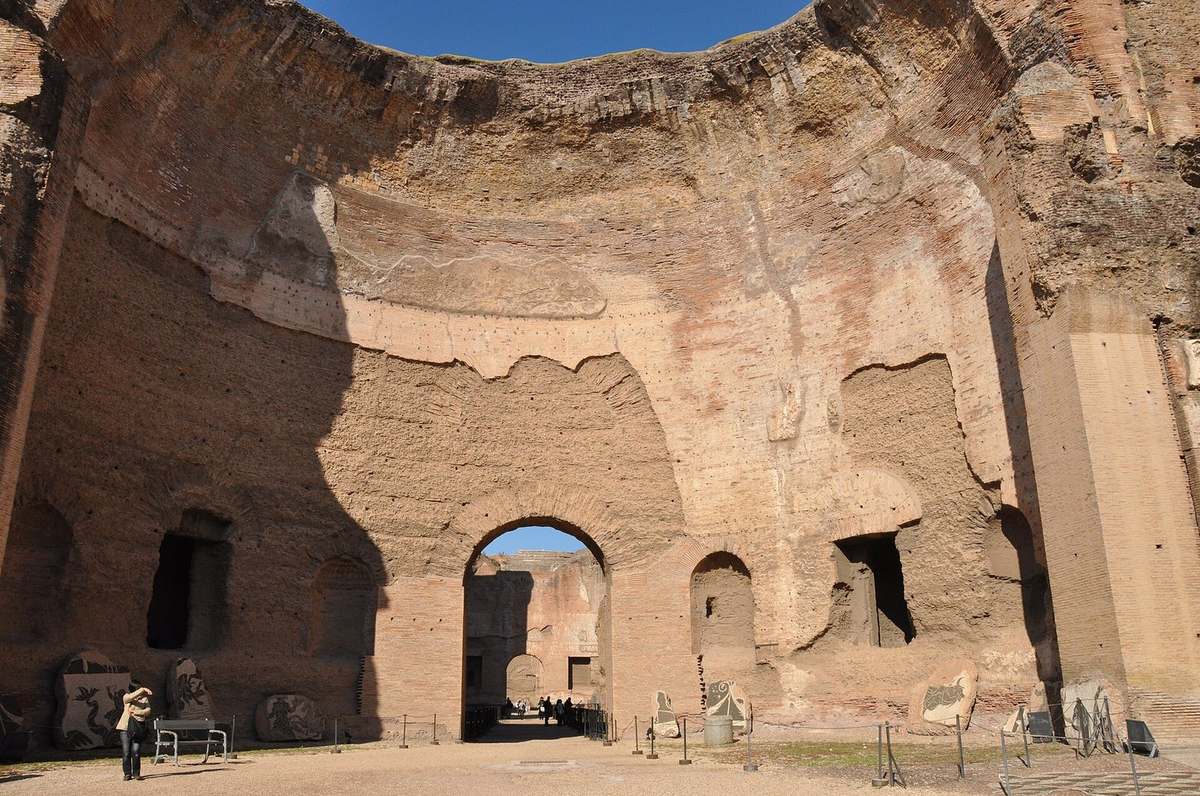
Brick halls of the Baths of Caracalla Photo: T. Thielemans, Wikimedia Commons (CC BY 3.0) 8 Baths of Caracalla (Terme di Caracalla)
Aventine & Testaccio — Caracalla
Emperor Caracalla inaugurated these baths in AD 216, and the complex kept working until 537, when the Goth king Vitiges cut Rome's aqueducts during his siege of the city. Read the full guide to Baths of Caracalla (Terme di Caracalla) →
-
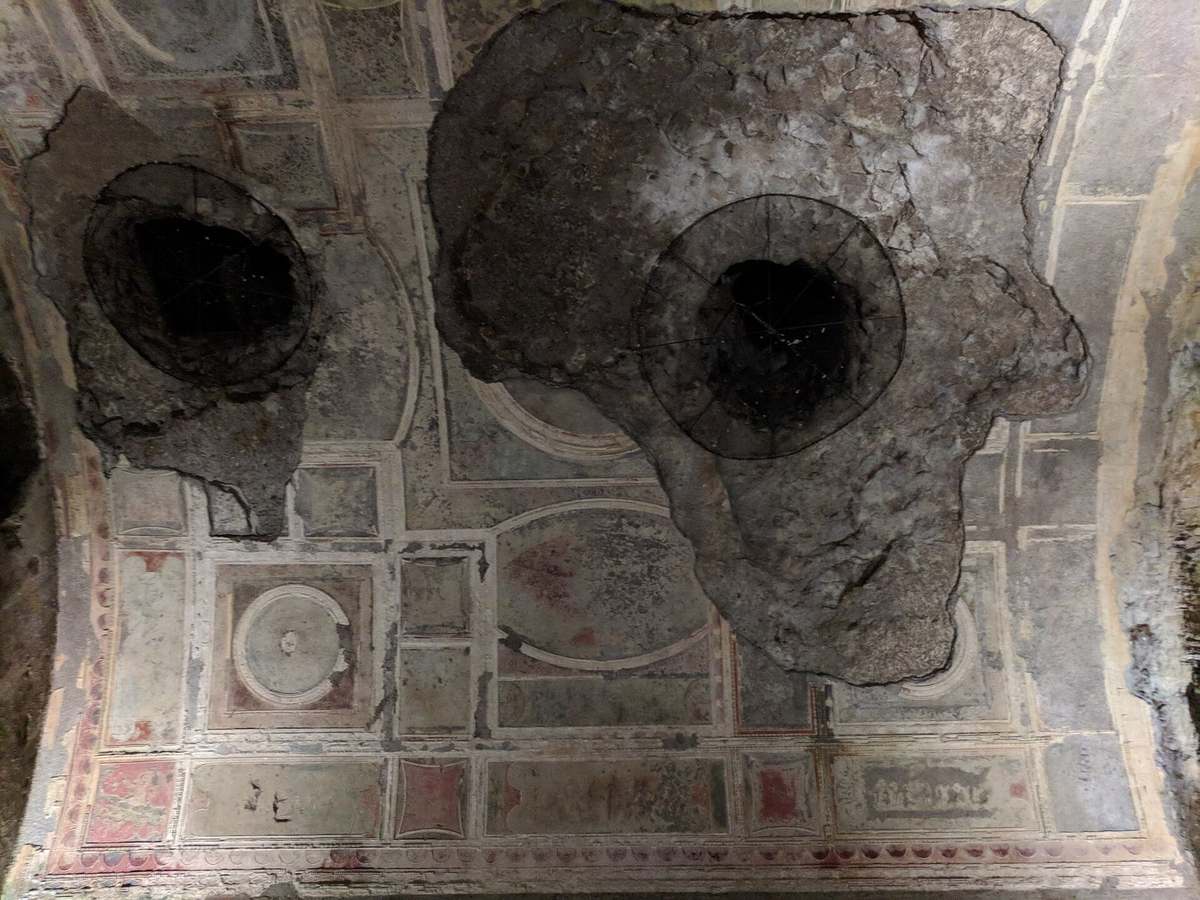
Painted vault inside Nero's Domus Aurea Photo: Tyler Bell, Wikimedia Commons (CC BY 2.0) 9 Domus Aurea
Ancient Rome & Monti — Colle Oppio
After the great fire of AD 64, Nero began a vast new residence, the Domus Aurea or Golden House, designed by the architects Severus and Celer and decorated by the painter Fabullus. Read the full guide to Domus Aurea →
-
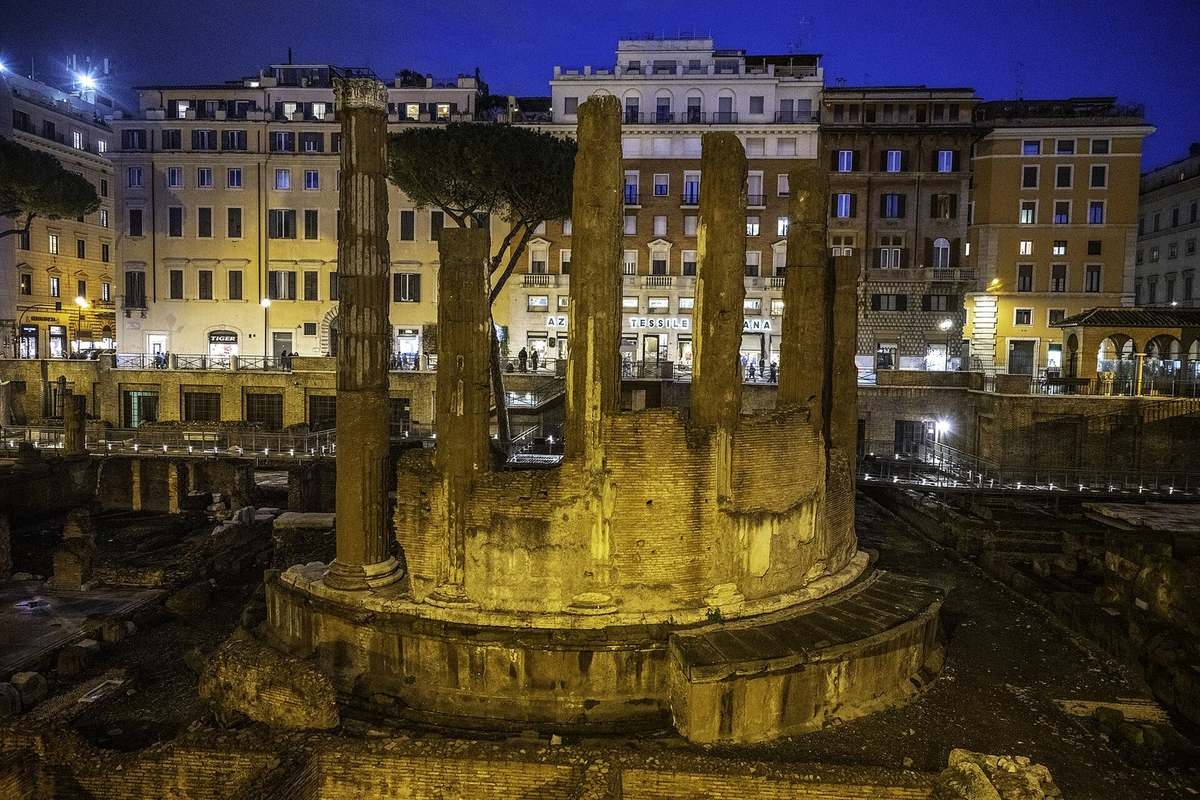
Temple B in Largo di Torre Argentina at dusk Photo: Wilfredor, Wikimedia Commons (CC0) 10 Largo di Torre Argentina
Centro Storico — Largo Argentina
Demolitions for new buildings begun in 1926 uncovered this sunken square of four Republican temples, opened to the public in 1929 and still labeled A to D because their dedications are not certain; the oldest, Temple C, dates to the early 3rd century BC. Read the full guide to Largo di Torre Argentina →
-
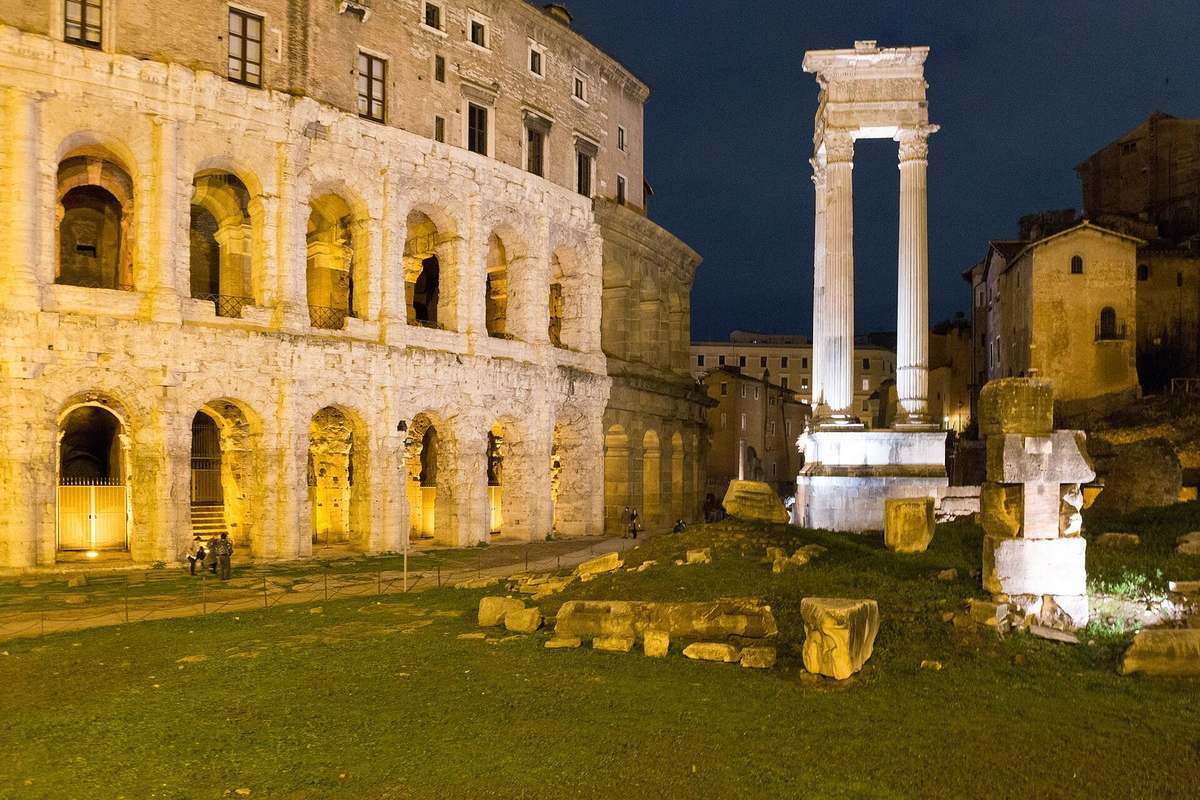
The Theatre of Marcellus lit up at night Photo: Pymouss, Wikimedia Commons (CC BY-SA 4.0) 11 Theatre of Marcellus (Teatro di Marcello)
Centro Storico — Ghetto
Julius Caesar cleared the site, and Augustus completed the theater and dedicated it to his nephew and intended heir Marcellus, who had died in 23 BC. Read the full guide to Theatre of Marcellus (Teatro di Marcello) →
-
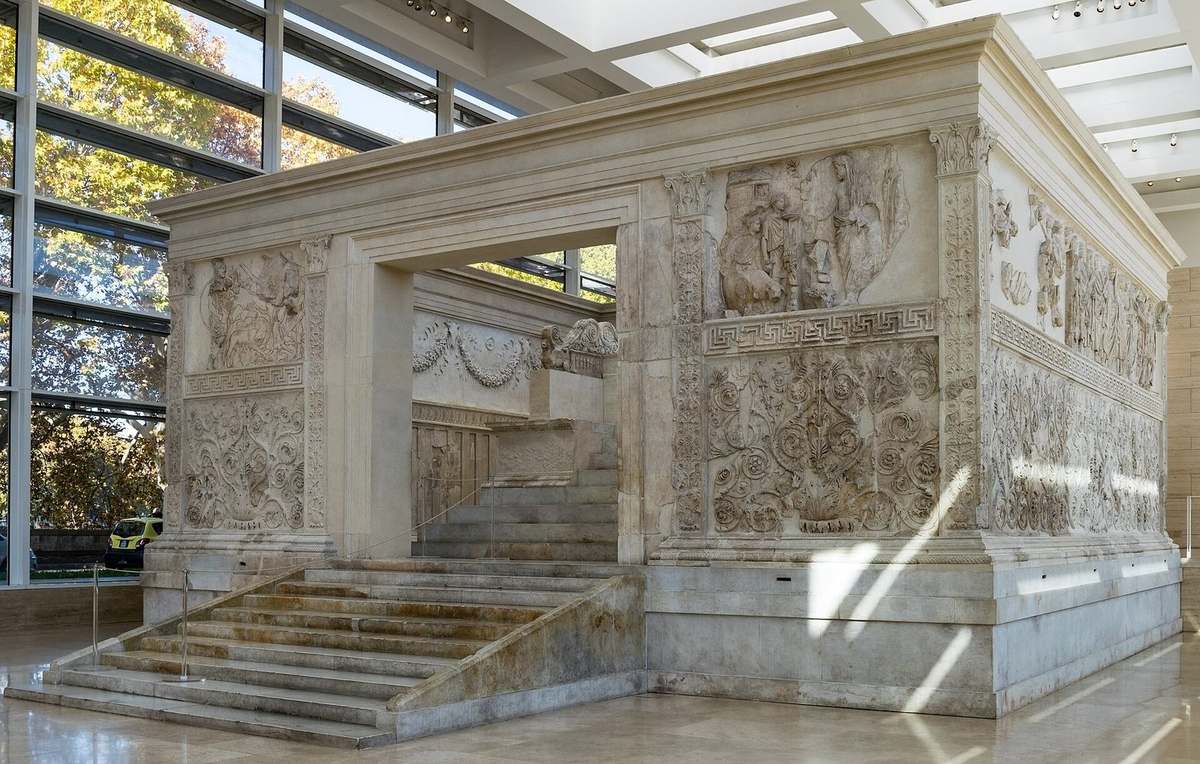
The Ara Pacis inside its museum on the Lungotevere Photo: Rabax63, Wikimedia Commons (CC BY-SA 4.0) 12 Ara Pacis (Ara Pacis Augustae)
Centro Storico — Campo Marzio
The Senate commissioned the Altar of Augustan Peace on July 4, 13 BC to mark Augustus's return from Spain and Gaul, and it was consecrated on January 30, 9 BC. Read the full guide to Ara Pacis (Ara Pacis Augustae) →


