11 places · Rome
The Best Museums and Art Galleries in Rome
Rome's museums are spread across papal villas, princely palaces, a converted power station and a Zaha Hadid building, and many of their collections were formed by the cardinals and noble families who once lived in them. The list below runs from Bernini's marble groups at the Borghese and the ancient bronzes on the Capitoline Hill to Etruscan terracottas, Raphael's frescoes in Trastevere and twentieth-century Italian painting. Several of these museums sit close together, so two or three can share a day.
Compare at a glance
| Place | Area |
|---|---|
| Borghese Gallery (Galleria Borghese) | Villa Borghese & Flaminio |
| Capitoline Museums (Musei Capitolini) | Ancient Rome & Monti |
| Palazzo Massimo alle Terme (National Roman Museum) | Esquilino & Termini |
| Galleria Doria Pamphilj | Centro Storico |
| Palazzo Barberini (National Gallery of Ancient Art) | Centro Storico |
| MAXXI (National Museum of 21st Century Arts) | Villa Borghese & Flaminio |
| Centrale Montemartini | Ostiense & EUR |
| Villa Farnesina | Trastevere & Gianicolo |
| National Gallery of Modern and Contemporary Art (La Galleria Nazionale) | Villa Borghese & Flaminio |
| Palazzo Altemps | Centro Storico |
| National Etruscan Museum (Museo Nazionale Etrusco di Villa Giulia) | Villa Borghese & Flaminio |
-
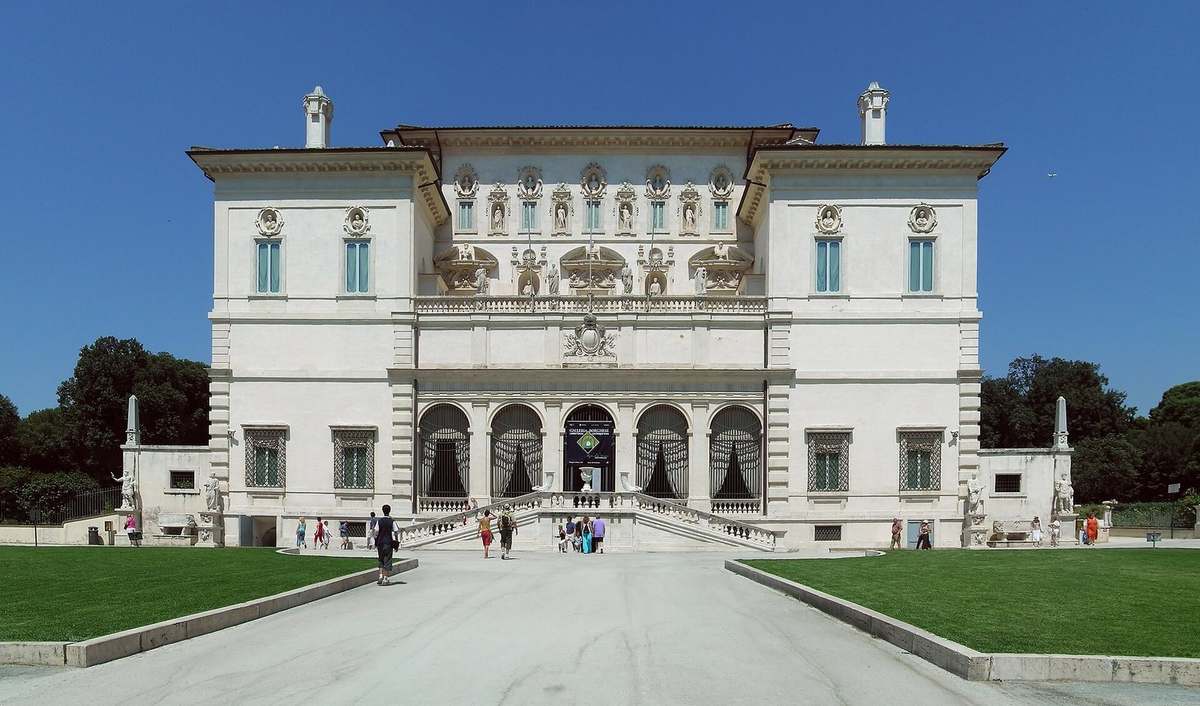
The Borghese Gallery's villa facade in Villa Borghese park Photo: Alessio Damato, Wikimedia Commons (CC BY-SA 3.0) 1 Borghese Gallery (Galleria Borghese)
Villa Borghese & Flaminio
The Borghese Gallery fills the villa that Cardinal Scipione Borghese (1579–1633), nephew of Pope Paul V, built on the edge of the city to show off his collection. Read the full guide to Borghese Gallery (Galleria Borghese) →
-
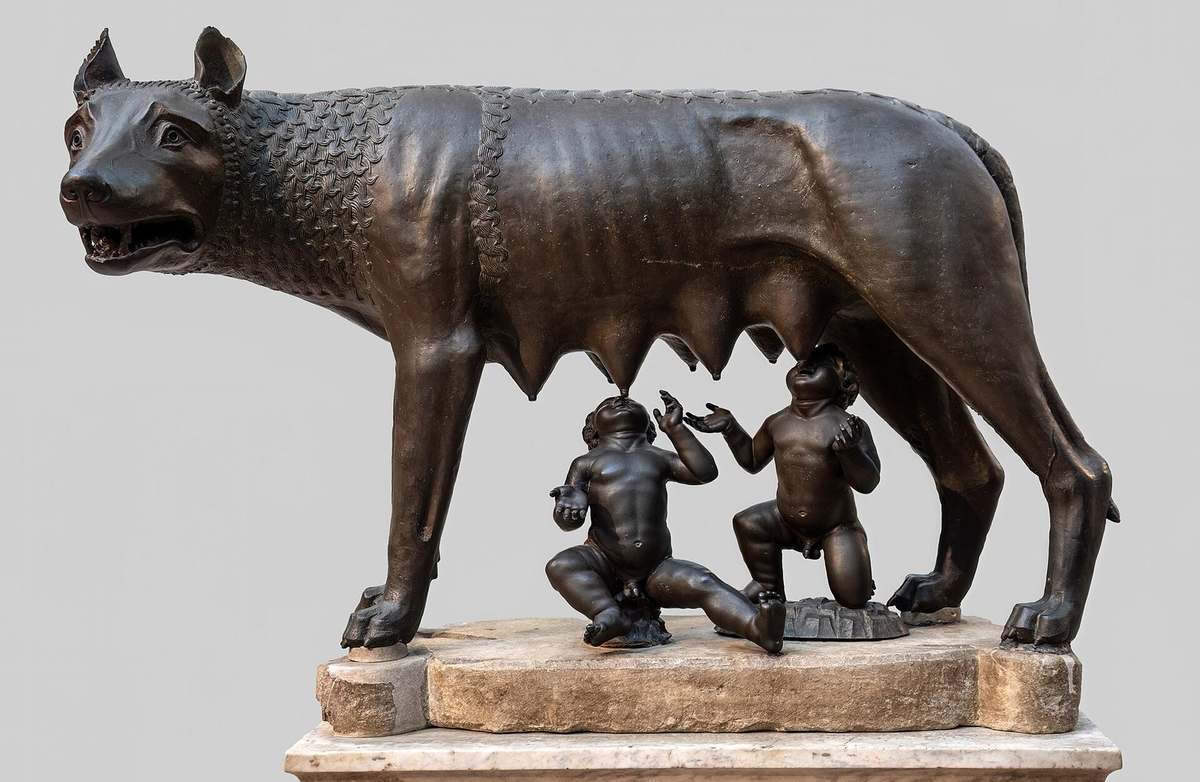
The Capitoline Wolf, a bronze in the Capitoline Museums Photo: Wilfredo Rafael Rodriguez Hernandez, Wikimedia Commons (CC0) 2 Capitoline Museums (Musei Capitolini)
Ancient Rome & Monti — Capitoline Hill
The Capitoline Museums trace their origins to 1471, when Pope Sixtus IV gave a group of ancient bronzes to the people of Rome, and they opened to the public under Clement XII in 1734. Read the full guide to Capitoline Museums (Musei Capitolini) →
-
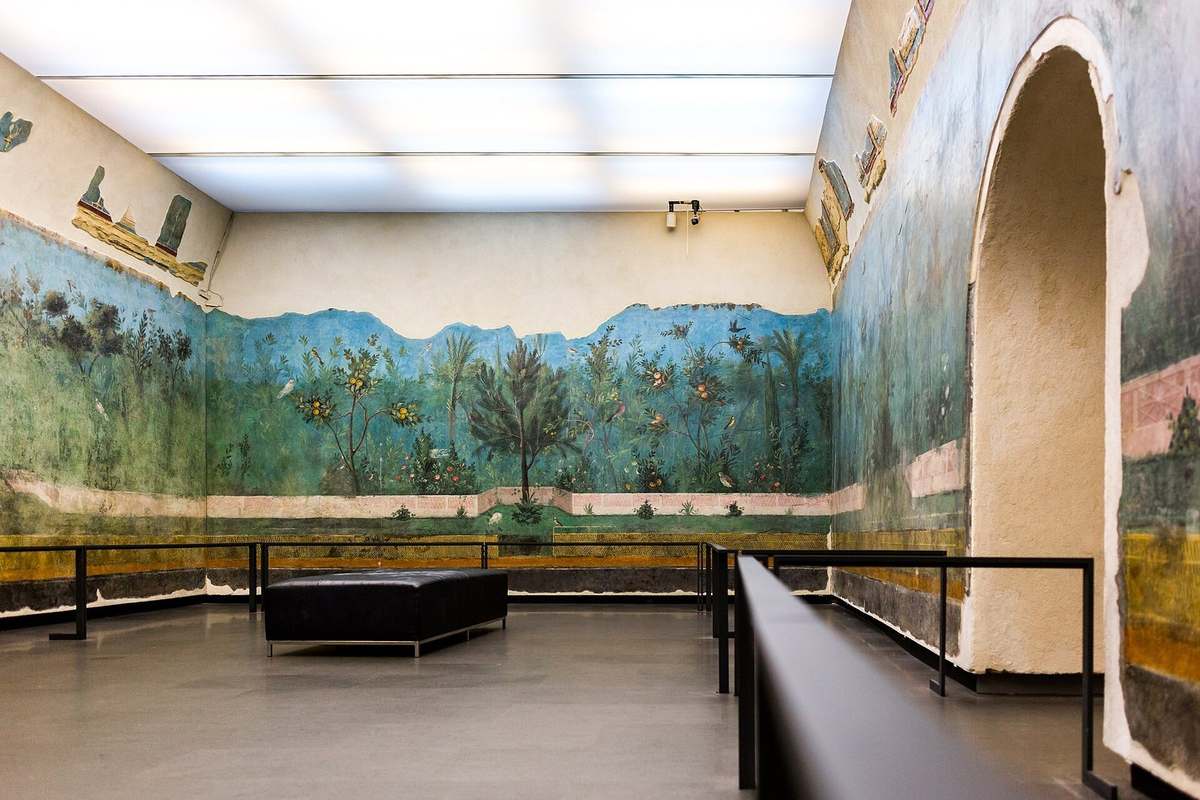
Livia's garden room frescoes at Palazzo Massimo alle Terme Photo: ArchaiOptix, Wikimedia Commons (CC BY-SA 4.0) 3 Palazzo Massimo alle Terme (National Roman Museum)
Esquilino & Termini
This neo-Renaissance palace was built between 1883 and 1886 by Camillo Pistrucci for a Jesuit college, bought by the state in 1981 and opened as the main seat of the National Roman Museum in 1998. Read the full guide to Palazzo Massimo alle Terme (National Roman Museum) →
-
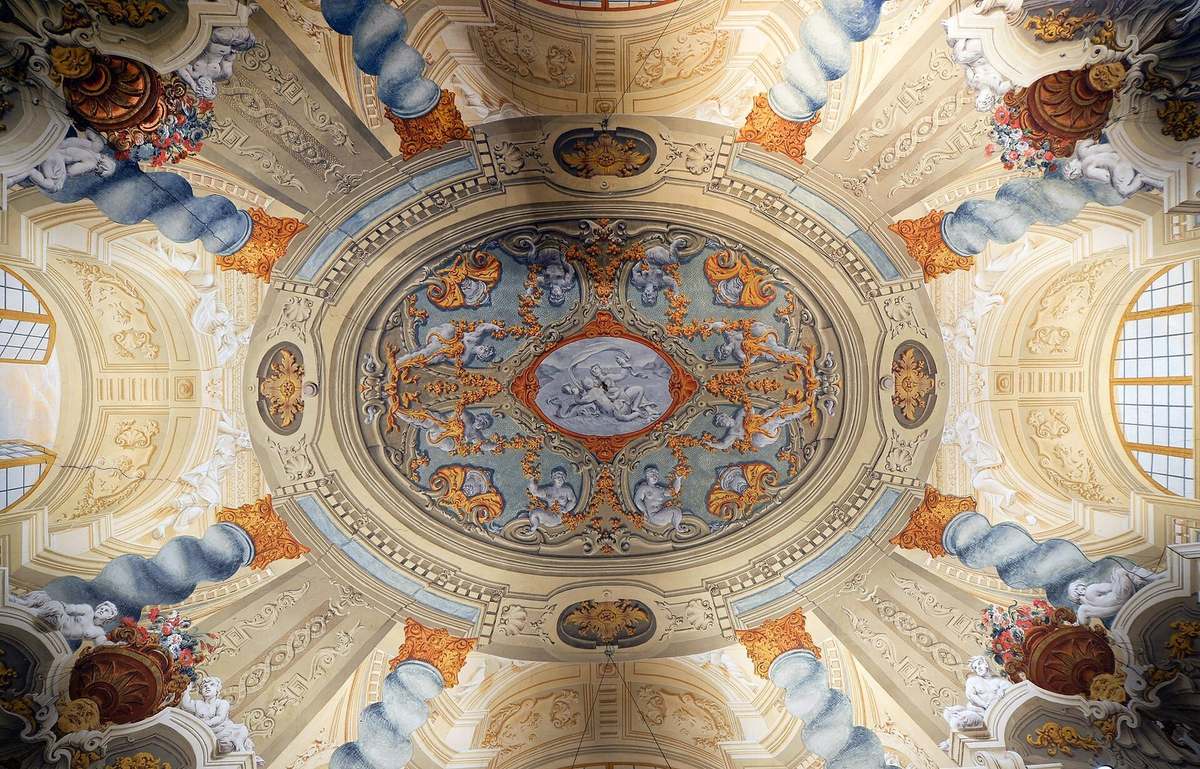
A frescoed ceiling in the Galleria Doria Pamphilj Photo: Livioandronico2013, Wikimedia Commons (CC BY-SA 4.0) 4 Galleria Doria Pamphilj
Centro Storico — Via del Corso
The Doria Pamphilj family still owns and lives in the palace on Via del Corso that houses this collection, built up since the 16th century by the Doria, Pamphilj, Landi and Aldobrandini families. Read the full guide to Galleria Doria Pamphilj →
-
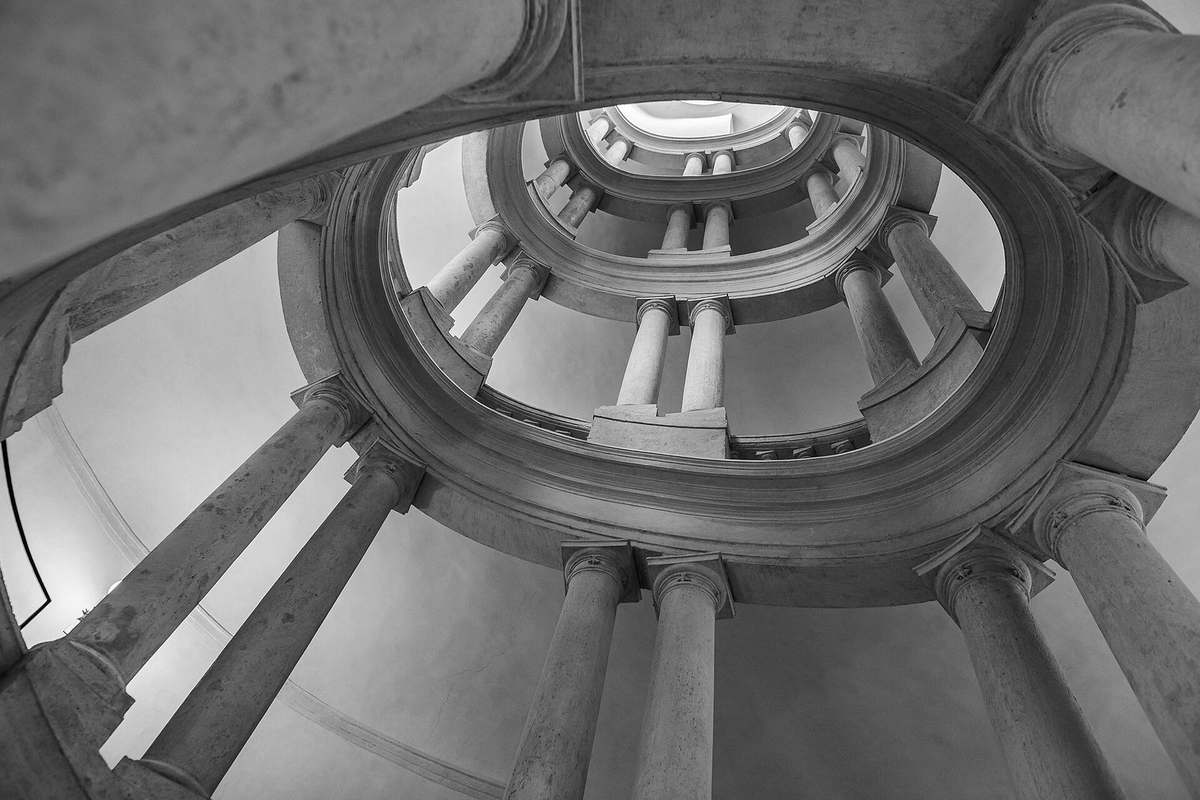
Borromini's spiral staircase in Palazzo Barberini Photo: ALESSIOTERZO, Wikimedia Commons (CC BY-SA 4.0) 5 Palazzo Barberini (National Gallery of Ancient Art)
Centro Storico — Piazza Barberini
Pope Urban VIII's family built this palace from 1627, with Carlo Maderno starting the work and Bernini completing it in 1633, assisted for a time by Francesco Borromini. Read the full guide to Palazzo Barberini (National Gallery of Ancient Art) →
-
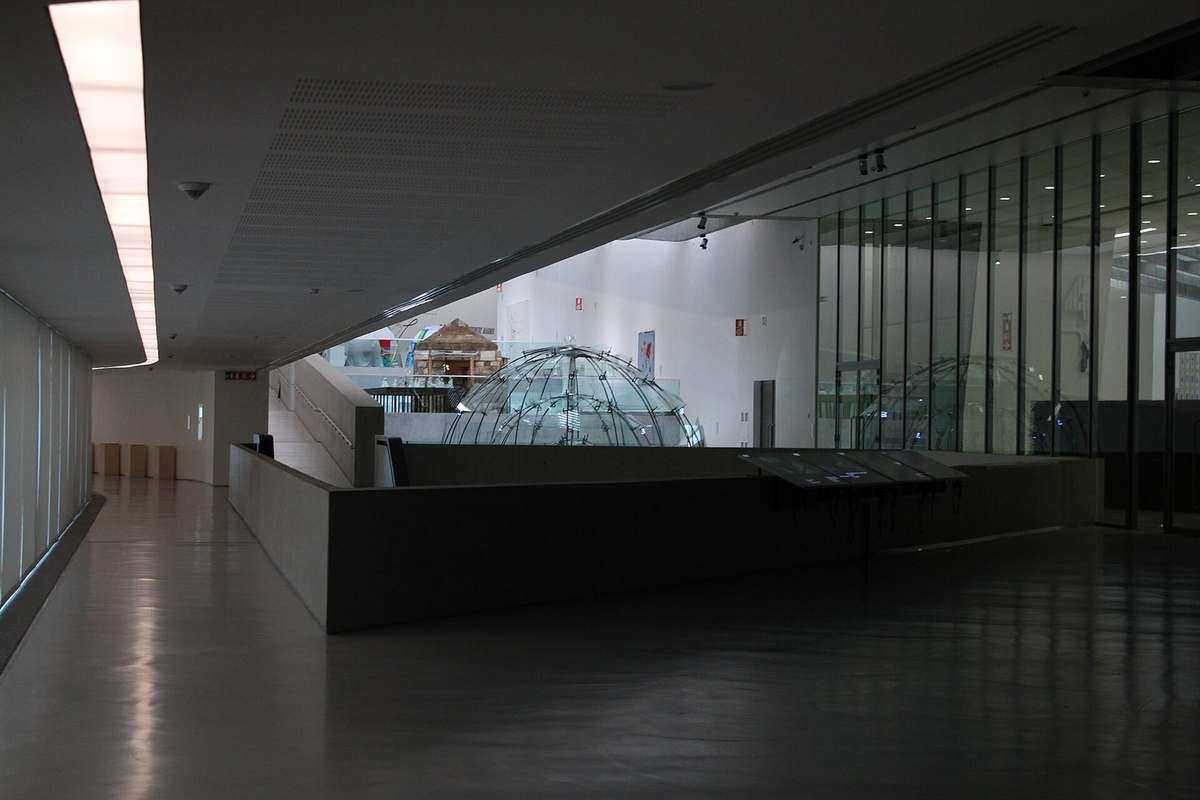
Inside Zaha Hadid's MAXXI museum in Flaminio Photo: Commonurbock23, Wikimedia Commons (CC BY-SA 3.0) 6 MAXXI (National Museum of 21st Century Arts)
Villa Borghese & Flaminio — Flaminio
MAXXI is Italy's national museum of contemporary art and architecture, housed in a building by Zaha Hadid, who won the design competition in 1998. Read the full guide to MAXXI (National Museum of 21st Century Arts) →
-
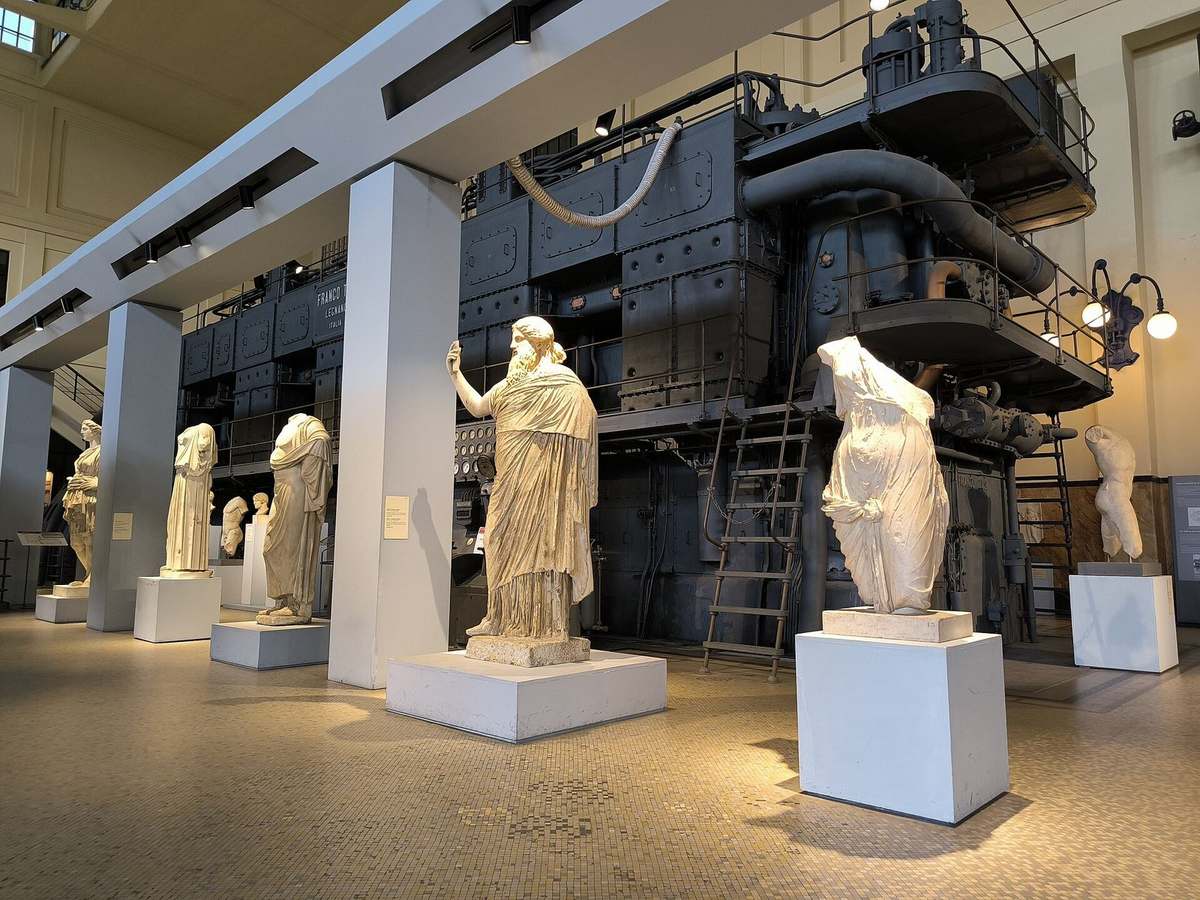
Ancient statues and a diesel engine at Centrale Montemartini Photo: BiondodaForlì, Wikimedia Commons (CC BY-SA 4.0) 7 Centrale Montemartini
Ostiense & EUR — Ostiense
Rome's first municipal power station opened on Via Ostiense on June 30, 1912, and was shut down in 1968. Read the full guide to Centrale Montemartini →
-
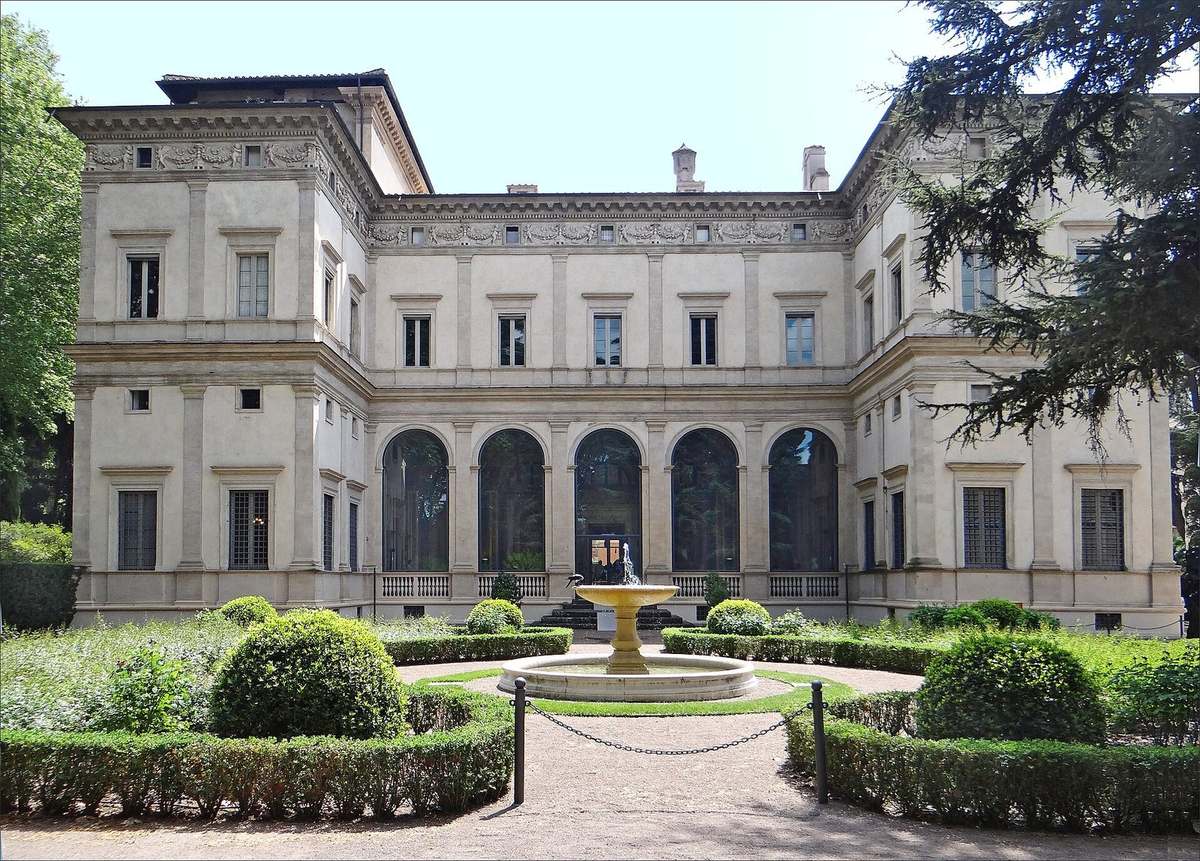
Villa Farnesina's garden facade on Via della Lungara Photo: Jean-Pierre Dalbéra from Paris, France, Wikimedia Commons (CC BY 2.0) 8 Villa Farnesina
Trastevere & Gianicolo — Via della Lungara
Baldassare Peruzzi designed this villa, begun in 1506 for Agostino Chigi, the Sienese banker and treasurer of Pope Julius II; Chigi moved in in 1511. Read the full guide to Villa Farnesina →
-
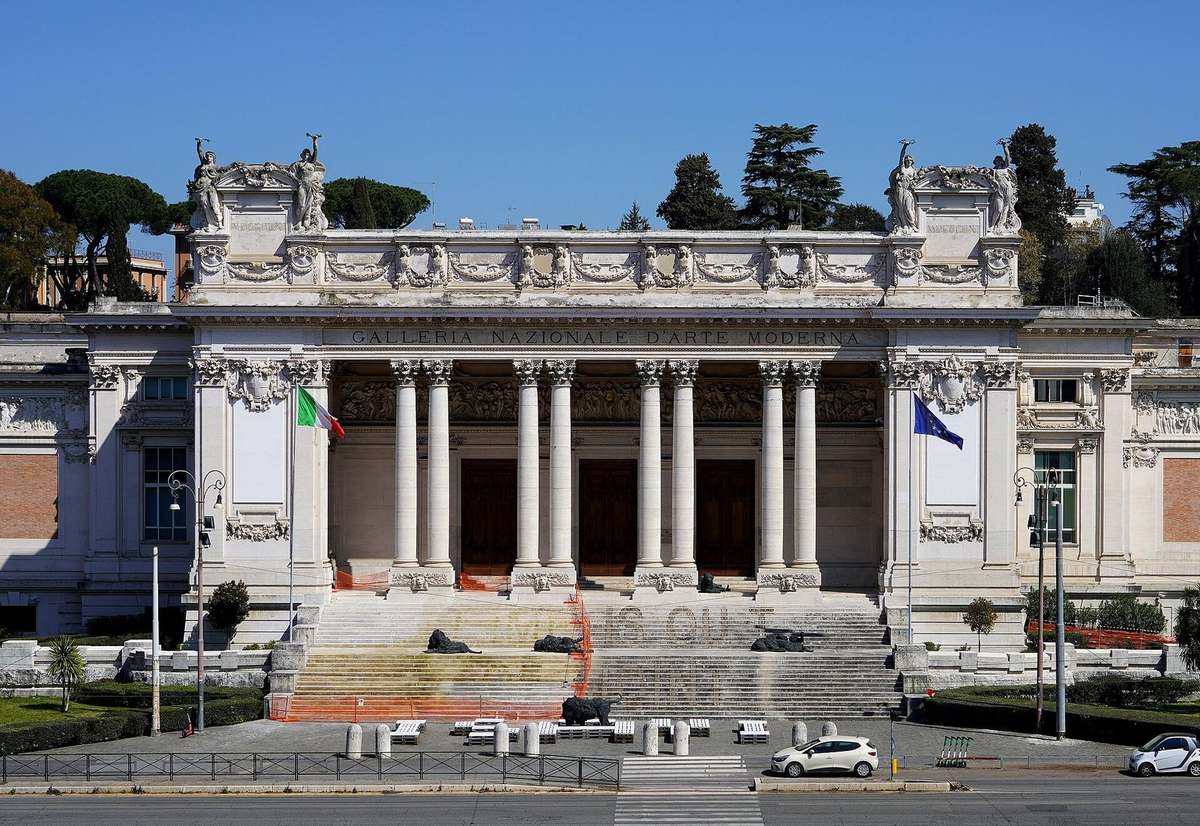
La Galleria Nazionale on Viale delle Belle Arti Photo: NikonZ7II, Wikimedia Commons (CC BY-SA 4.0) 9 National Gallery of Modern and Contemporary Art (La Galleria Nazionale)
Villa Borghese & Flaminio — Valle Giulia
Founded in 1883, Italy's national gallery of modern and contemporary art occupies a building on Viale delle Belle Arti designed by Cesare Bazzani and built between 1911 and 1915, then doubled in size in 1934. Read the full guide to National Gallery of Modern and Contemporary Art (La Galleria Nazionale) →
-
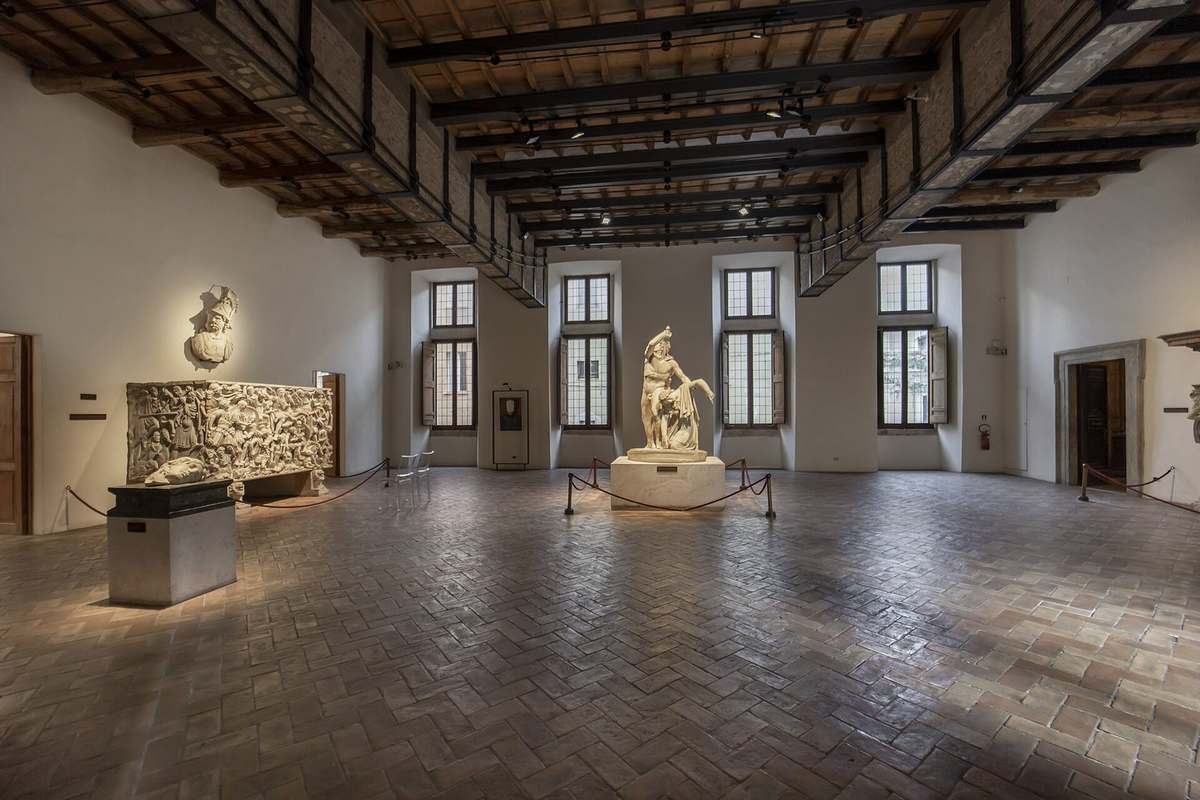
A sculpture hall in Palazzo Altemps near Piazza Navona Photo: Fabrizio Garrisi, Wikimedia Commons (CC0) 10 Palazzo Altemps
Centro Storico — Piazza Navona
A few steps from Piazza Navona, this palace was begun in the 15th century for Girolamo Riario, nephew of Pope Sixtus IV, and bought in 1568 by Cardinal Marco Sittico Altemps, who filled it with ancient sculpture. Read the full guide to Palazzo Altemps →
-
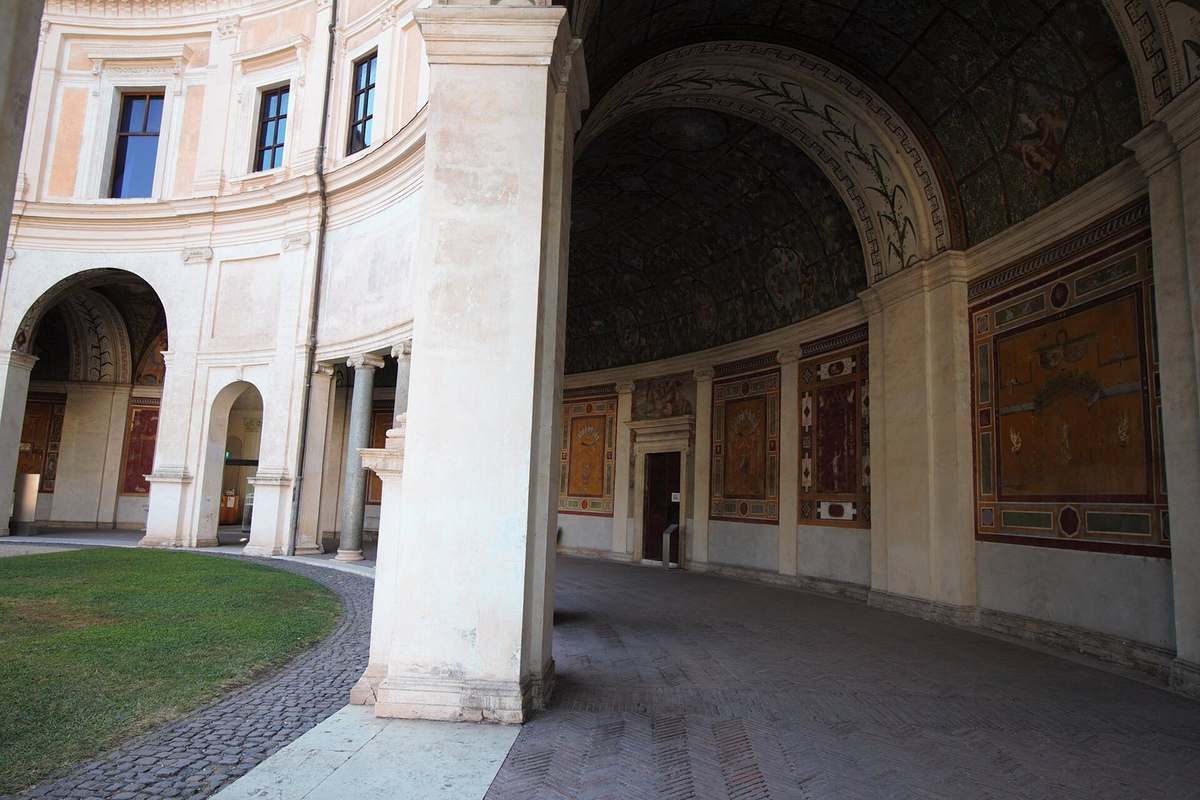
The courtyard portico of Villa Giulia, home of the Etruscan museum Photo: Giulia Cannarella, Wikimedia Commons (CC BY-SA 4.0) 11 National Etruscan Museum (Museo Nazionale Etrusco di Villa Giulia)
Villa Borghese & Flaminio — Valle Giulia
The National Etruscan Museum was founded in 1889 and occupies Villa Giulia, the suburban residence built in 1551–1553 for Pope Julius III to designs by Vignola, Vasari and Ammannati. Read the full guide to National Etruscan Museum (Museo Nazionale Etrusco di Villa Giulia) →


