10 places · Rome
Rome's Best Neighborhoods to Explore
Rome's historic districts are its rioni, such as Trastevere, Monti and the 1921 additions of Testaccio and Prati, each with its own squares, markets and food. Beyond them lie 20th-century quarters with distinct identities: Garbatella's public housing from 1920, the fairy-tale Coppedè quarter, and EUR, built for a 1942 world's fair that never opened. Students and nightlife fill San Lorenzo and Pigneto, while the streets of the former Jewish Ghetto, walled in from 1555 to the 19th century, remain the center of Roman Jewish life.
Compare at a glance
| Place | Area |
|---|---|
| Trastevere | Trastevere & Gianicolo |
| Monti | Ancient Rome & Monti |
| Testaccio | Aventine & Testaccio |
| Jewish Ghetto | Centro Storico |
| Prati | Vatican & Prati |
| Pigneto | Esquilino & Termini |
| Garbatella | Ostiense & EUR |
| Quartiere Coppedè | Villa Borghese & Flaminio |
| EUR | Ostiense & EUR |
| San Lorenzo | Esquilino & Termini |
-
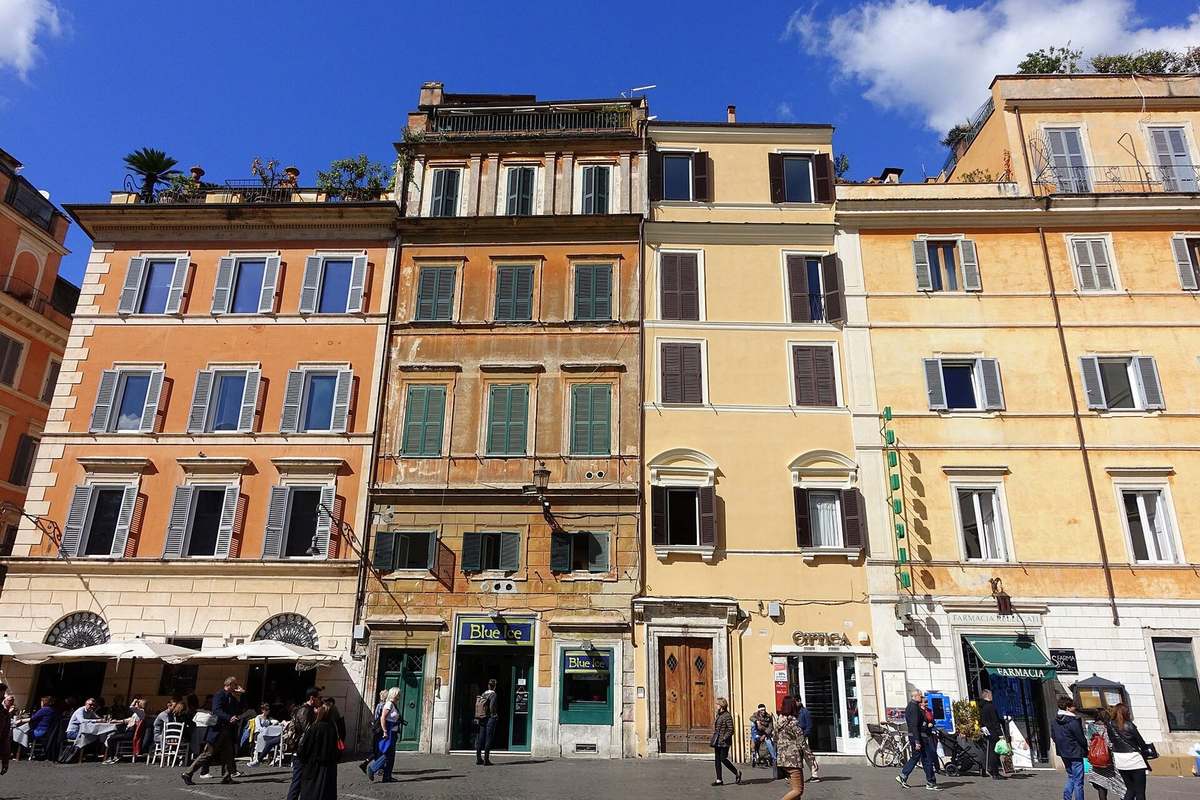
Colorful facades on Piazza di Santa Maria in Trastevere Photo: Daderot, Wikimedia Commons (CC0) 1 Trastevere
Trastevere & Gianicolo
Trastevere, Rome's 13th rione, takes its name from the Latin trans Tiberim, "beyond the Tiber," and its residents, the Trasteverini, have long thought of themselves as a people apart. Read the full guide to Trastevere →
-
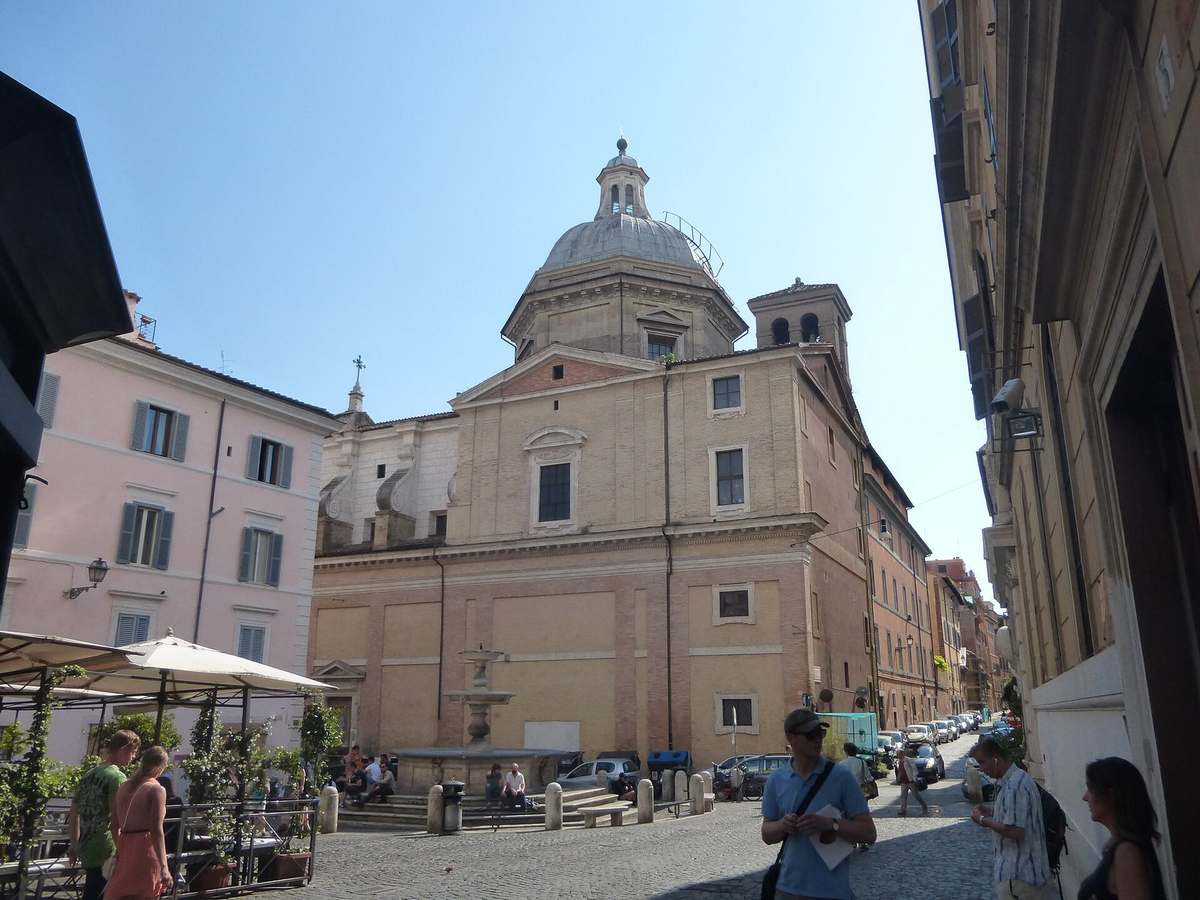
Piazza della Madonna dei Monti and its fountain in Monti Photo: Lalupa, Wikimedia Commons (CC BY-SA 4.0) 2 Monti
Ancient Rome & Monti
Monti is Rome's first rione, named for the hills it spanned, the Esquiline, the Viminal and parts of the Quirinal and Caelian, and its lower streets cover the ancient Suburra, a crowded plebeian quarter of brothels and cheap inns. Read the full guide to Monti →
-
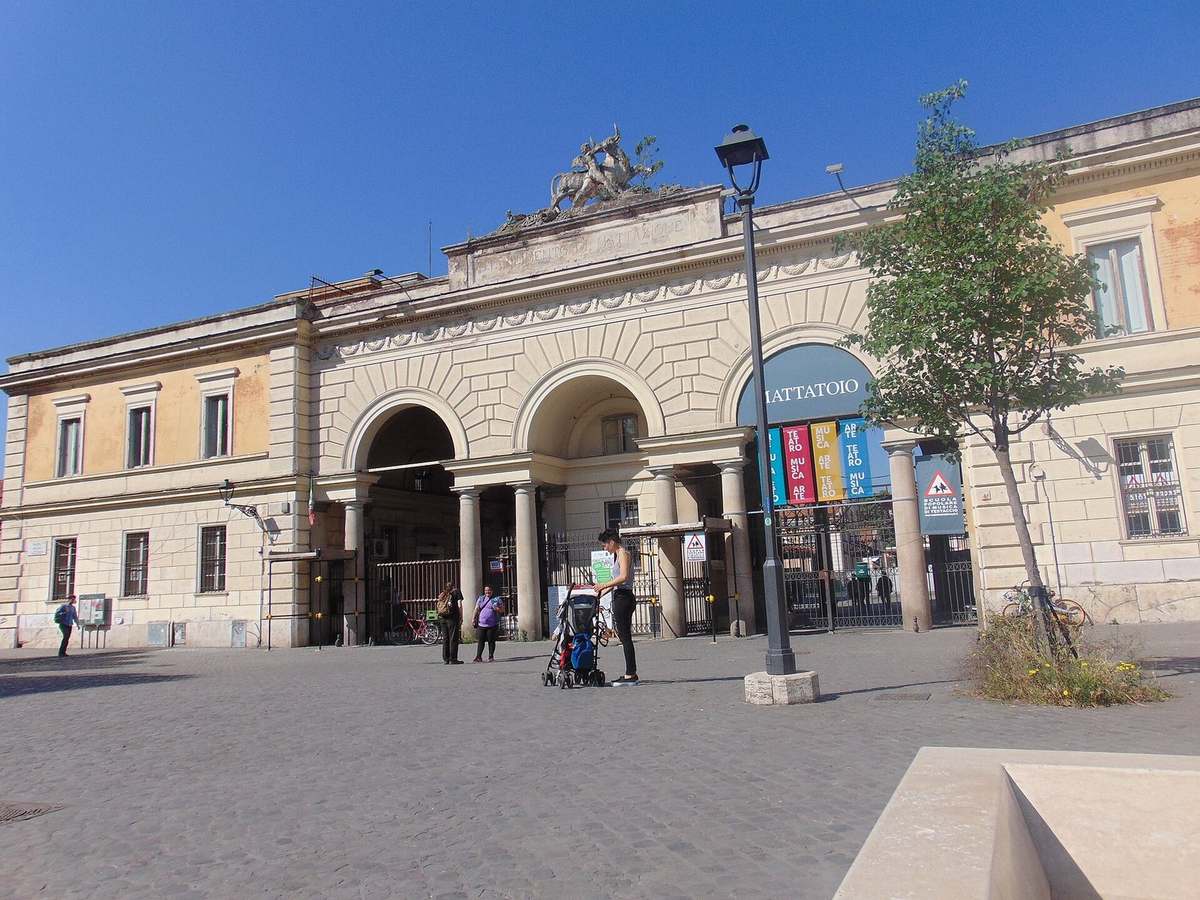
Entrance of the former Mattatoio slaughterhouse in Testaccio Photo: Nicholas Gemini, Wikimedia Commons (CC BY-SA 4.0) 3 Testaccio
Aventine & Testaccio
Testaccio, Rome's 20th rione, is named after Monte Testaccio, a 35-meter hill made of the shards of tens of millions of olive-oil amphorae dumped here mostly between about AD 140 and 250. Read the full guide to Testaccio →
-
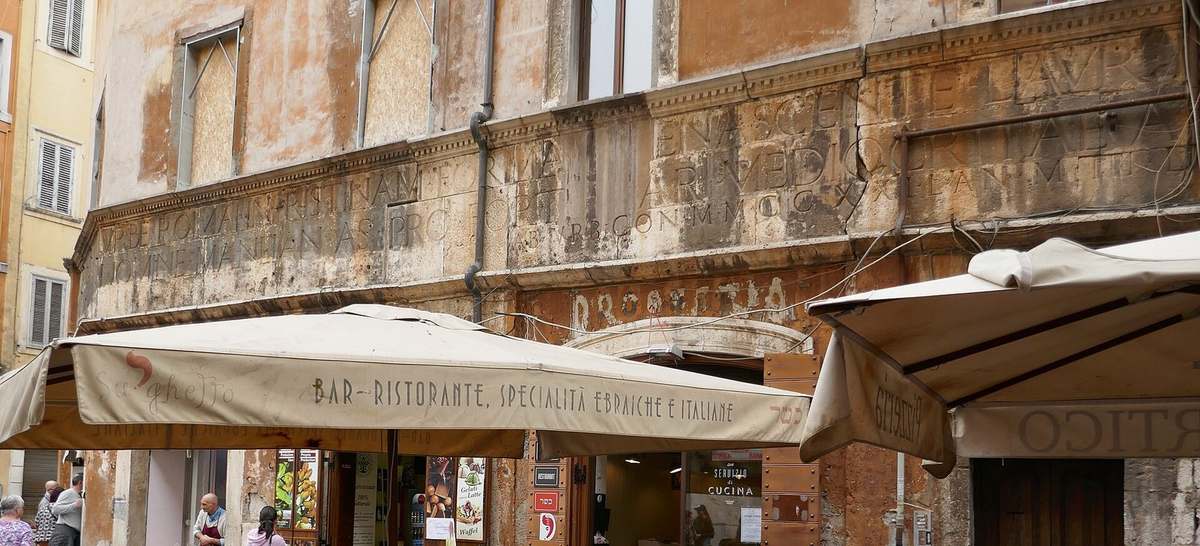
A Latin-inscribed facade on Via del Portico d'Ottavia in the Ghetto Photo: Rudolfo Kithera, Wikimedia Commons (CC0) 4 Jewish Ghetto
Centro Storico — Sant'Angelo
In July 1555 Pope Paul IV's bull Cum nimis absurdum confined Rome's Jews to an enclosed area of the Sant'Angelo rione beside the Theater of Marcellus, where they lived under heavy restrictions until the ghetto was abolished after 1870. Read the full guide to Jewish Ghetto →
-
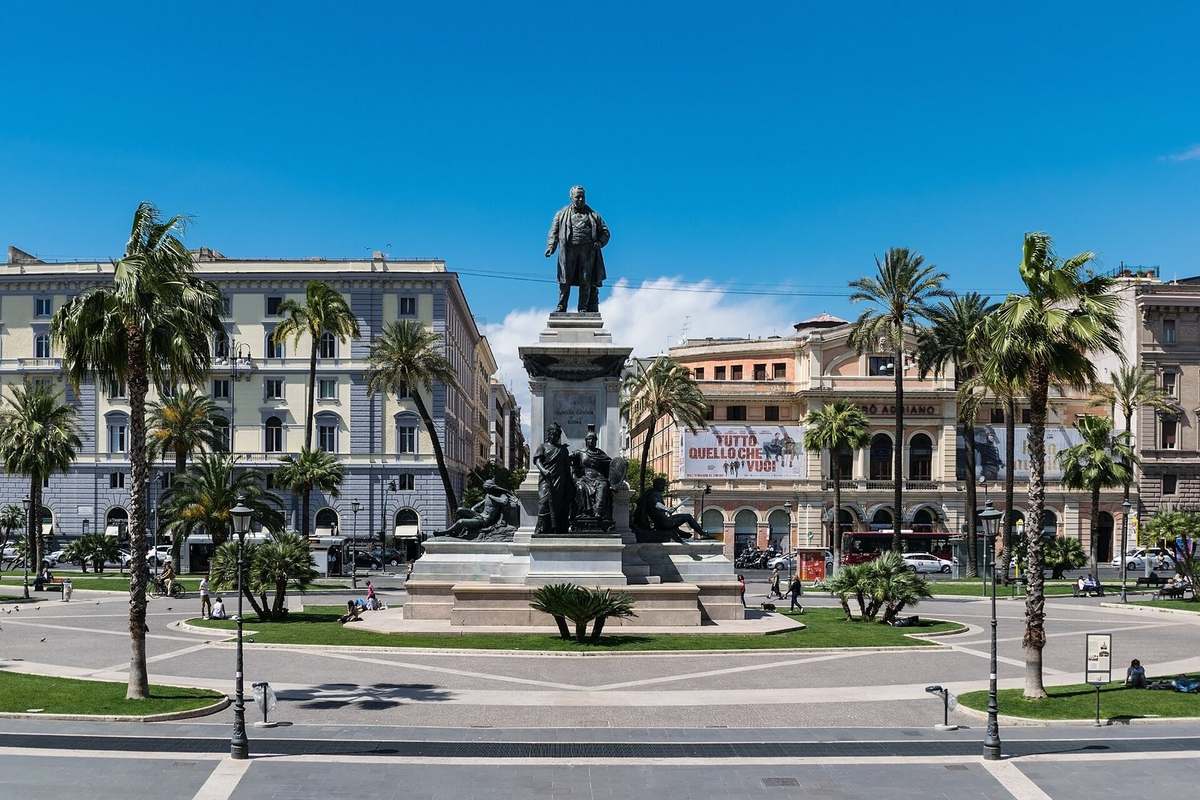
The Cavour monument and Teatro Adriano on Piazza Cavour, Prati Photo: Rabax63, Wikimedia Commons (CC BY-SA 4.0) 5 Prati
Vatican & Prati
Prati, the 22nd and newest rione, was officially established on 20 August 1921 on the former meadows known as Prati di Castello, where building had begun after an 1873 agreement with the landowner De Merode. Read the full guide to Prati →
-
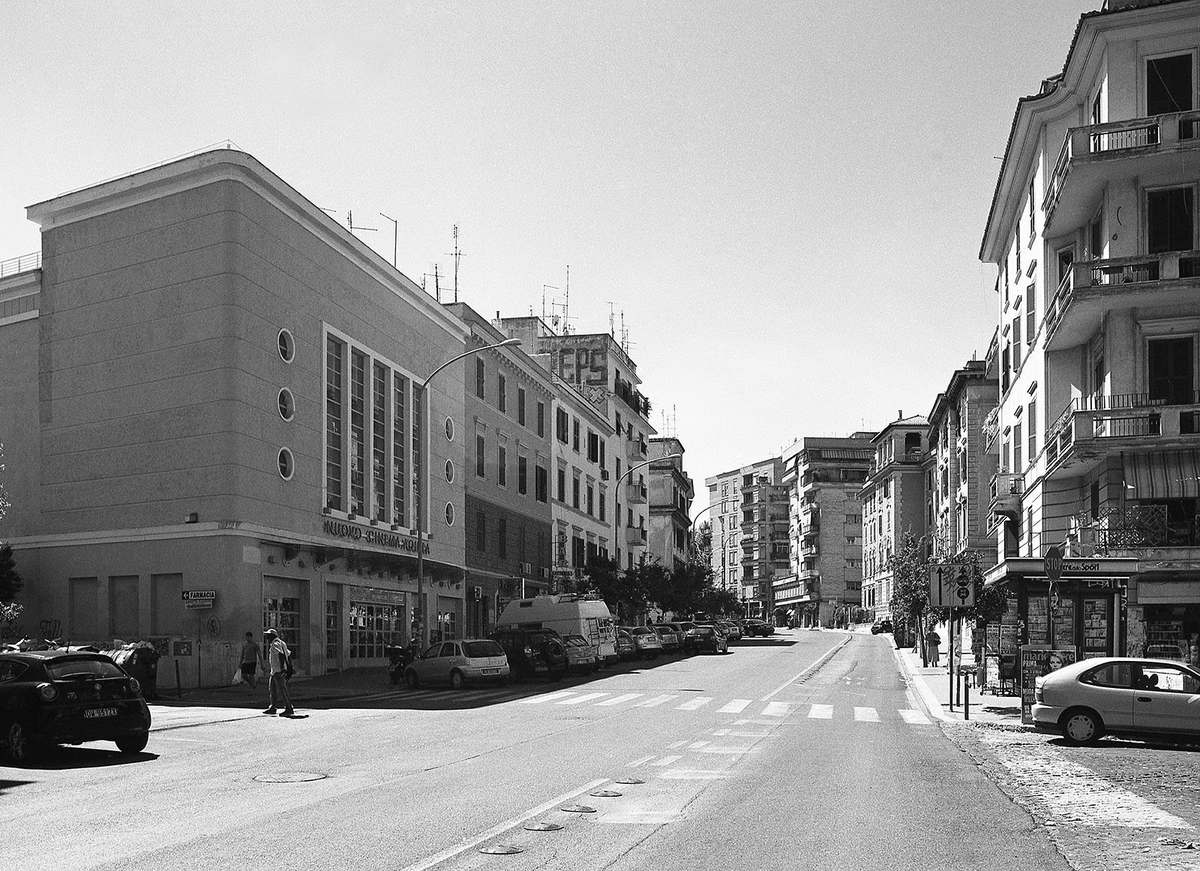
The Nuovo Cinema Aquila on a Pigneto street Photo: indeciso42, Wikimedia Commons (CC BY-SA 4.0) 6 Pigneto
Esquilino & Termini — Pigneto
Pigneto, in eastern Rome, is bounded by Via Prenestina, Via Casilina and Via di Acqua Bullicante, and named for a long row of pine trees planted along the wall of Villa Serventi. Read the full guide to Pigneto →
-
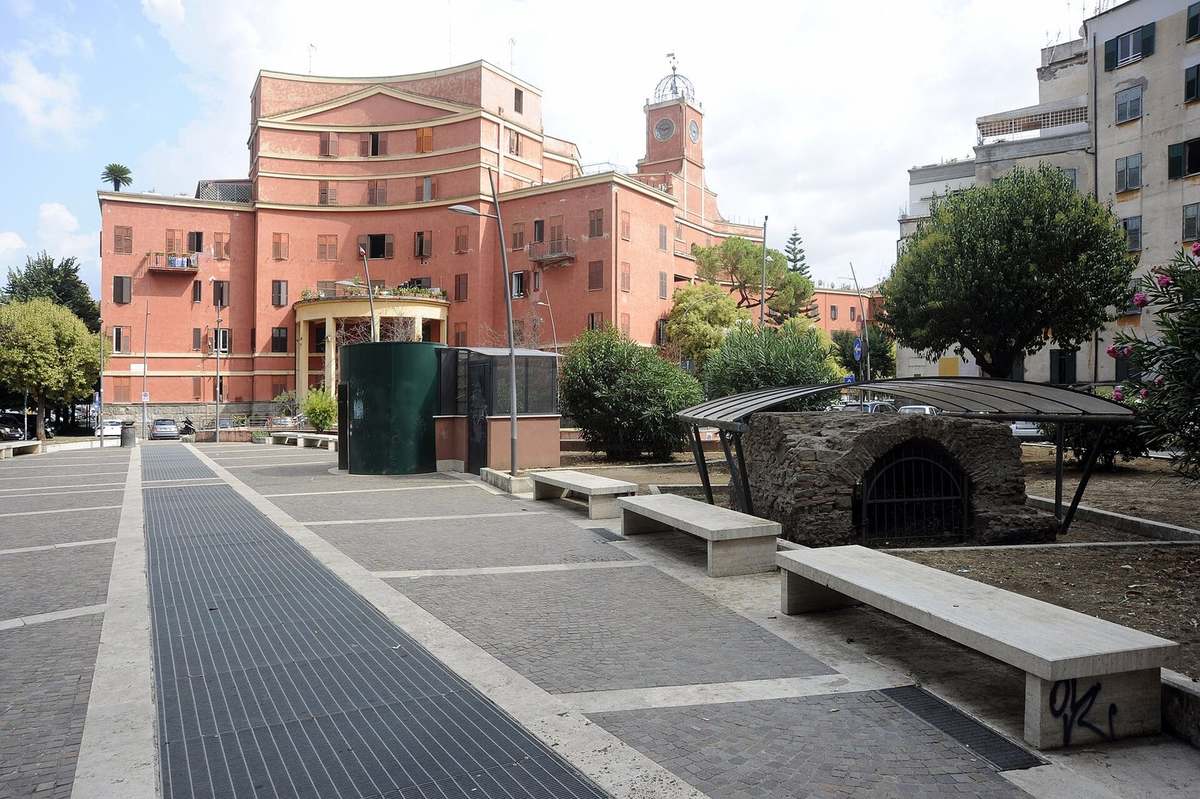
One of the "Alberghi" public housing blocks in Garbatella Photo: indeciso42, Wikimedia Commons (CC BY-SA 4.0) 7 Garbatella
Ostiense & EUR — Garbatella
Garbatella was founded on 18 February 1920, when King Vittorio Emanuele III laid the first stone in Piazza Benedetto Brin for a public housing project of the Istituto Case Popolari, meant to serve a port canal to Ostia that was never built, which explains its maritime street names. Read the full guide to Garbatella →
-
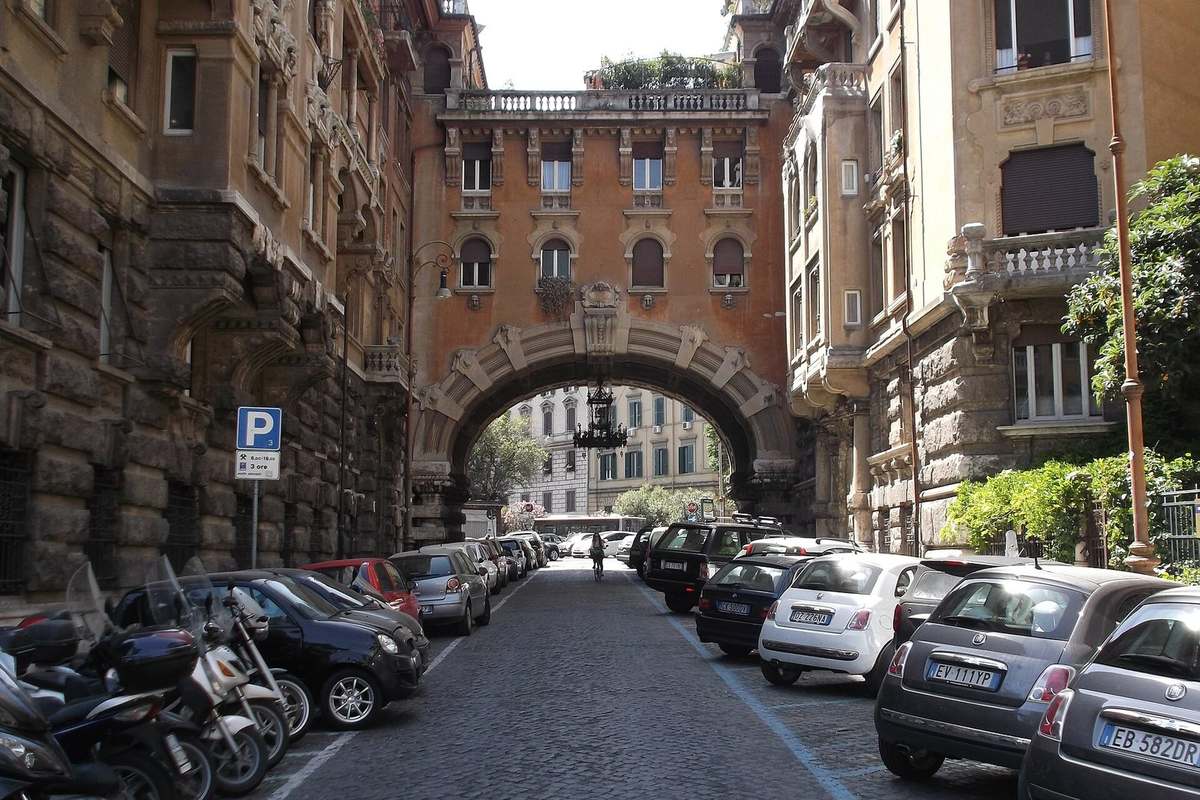
The arch of the Palazzi degli Ambasciatori, Coppedè quarter Photo: Blackcat, Wikimedia Commons (CC BY-SA 4.0) 8 Quartiere Coppedè
Villa Borghese & Flaminio — Trieste
The Coppedè quarter is a small enclave of fantastical buildings between Via Salaria and Via Nomentana, centered on Piazza Mincio and designed by the architect Gino Coppedè between 1915 and 1927; his son-in-law Paolo Emilio André finished it after Coppedè's death. Read the full guide to Quartiere Coppedè →
-
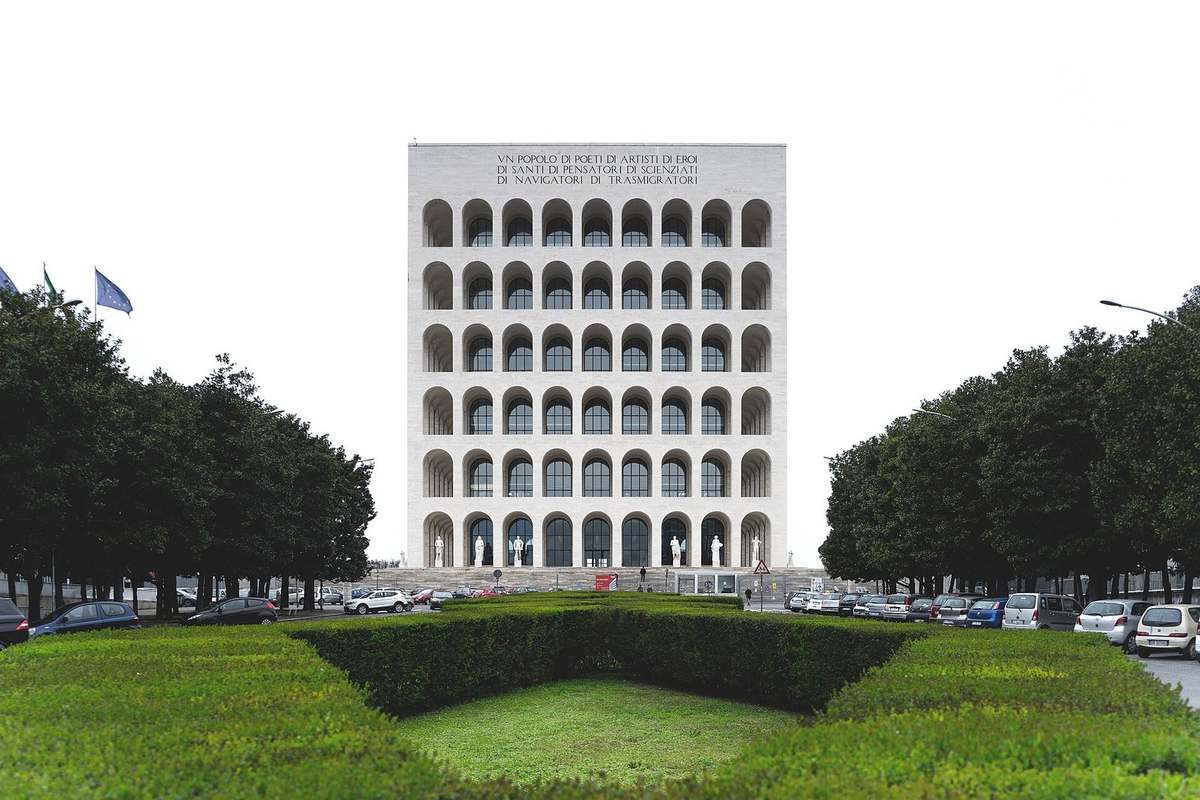
The Palazzo della Civiltà Italiana, the "Square Colosseum" of EUR Photo: Alberti1492, Wikimedia Commons (CC BY-SA 4.0) 9 EUR
Ostiense & EUR
EUR takes its name from the Esposizione Universale di Roma, the world's fair planned for 1942 that never took place because of the Second World War. Read the full guide to EUR →
-
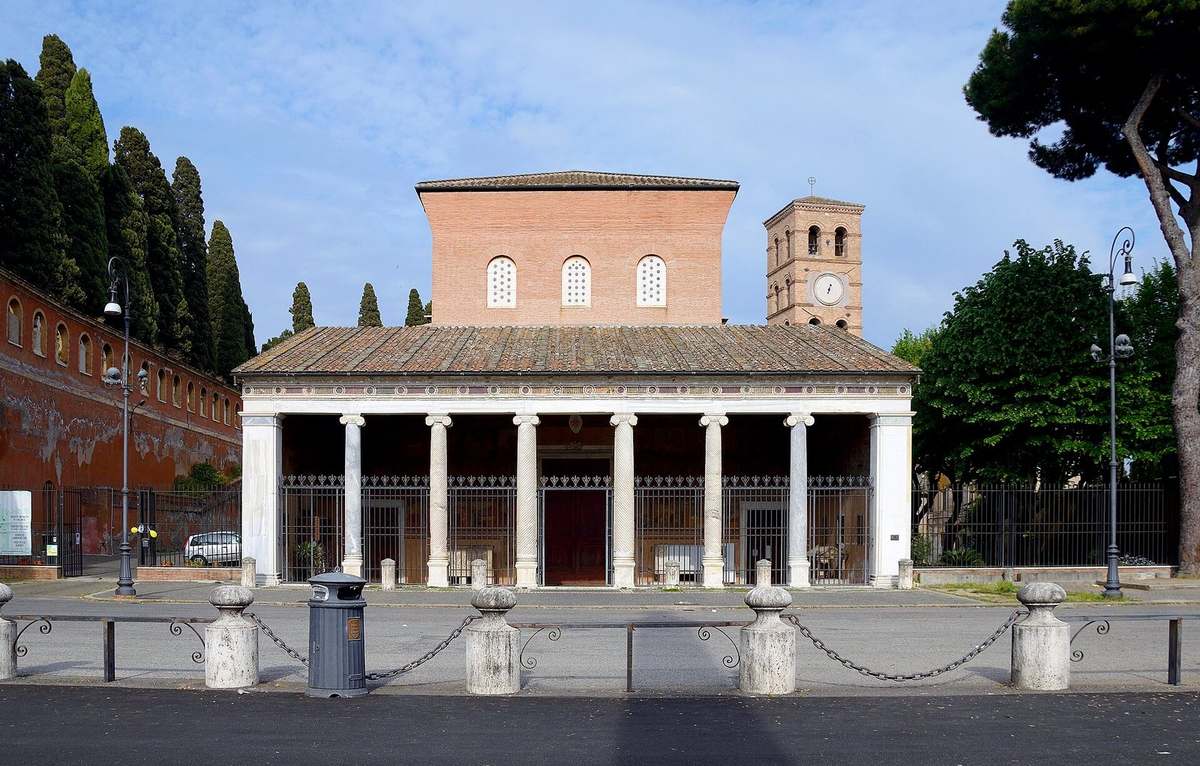
The basilica of San Lorenzo fuori le Mura, which gives the district its name Photo: Livioandronico2013, Wikimedia Commons (CC BY-SA 4.0) 10 San Lorenzo
Esquilino & Termini — San Lorenzo
San Lorenzo grew up in the late 19th century between the Aurelian Walls at Porta Tiburtina and the Verano cemetery, after a freight rail yard opened in 1865 and workers' apartment blocks were built in 1884–1888. Read the full guide to San Lorenzo →


